In the year 2020, a team of Indian and Canadian archaeologists embarked on a journey to unravel the mysteries of the ancient Indus Valley Civilization. Among them were Dr. Aditi Rao, a passionate Indian archaeologist, and her Canadian counterpart, Dr. Michael Collins. Their mission was to explore the ruins of Kotada Bhadli in Gujarat, a site that had lain silent for over 4,000 years.
Under the blistering sun, Aditi and Michael meticulously examined pottery shards unearthed by their team. Aditi’s keen eyes fell upon a peculiar white residue inside one of the cooking vessels. “Michael, look at this,” she called out, excitement tinged in her voice. “Could this be what I think it is?”

Michael joined her, his curiosity piqued. “Let’s analyze it,” he suggested, and they quickly set to work with their molecular analysis tools. The results were astounding. The residues, rich in fats and proteins, were traces of milk. This discovery indicated that dairy products were part of the Harappan diet as far back as 2500 BCE.
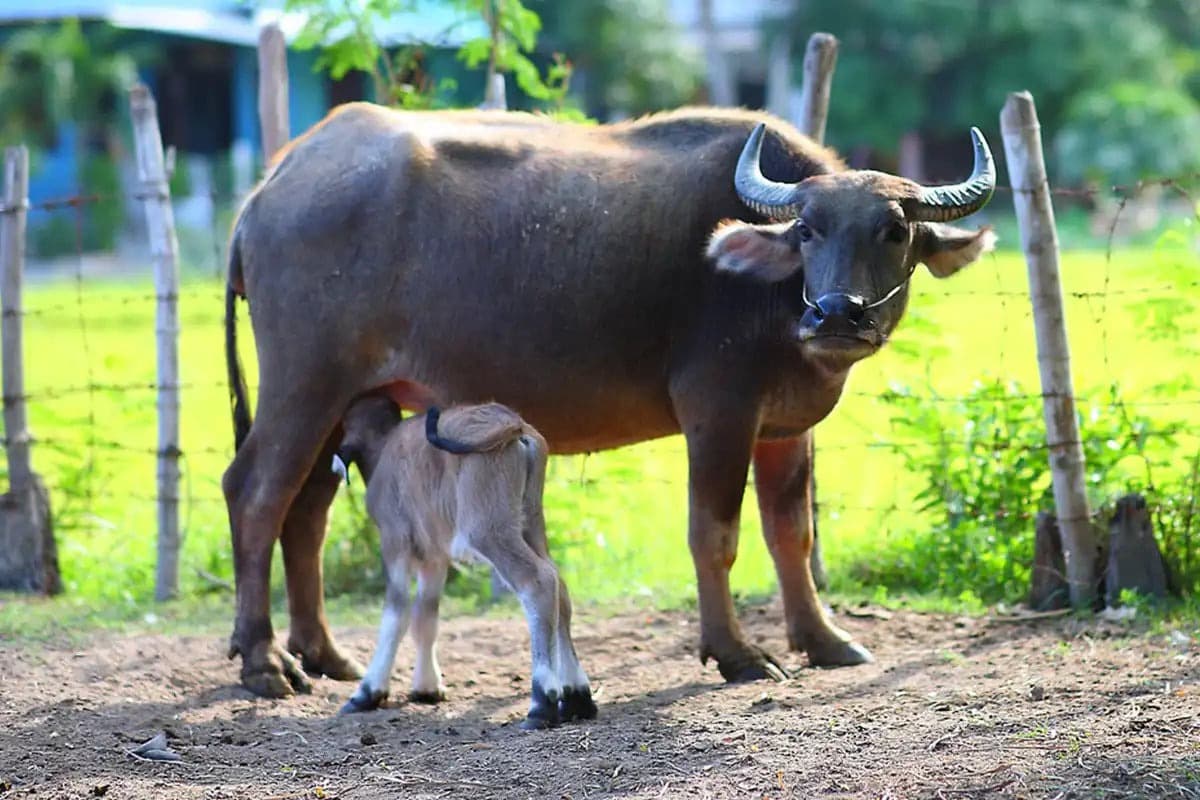
The revelation transported Aditi and Michael back in time, imagining the bustling life of the Harappan people. They envisioned large herds of cattle and water buffalo, vital to the community’s dairy production. The presence of perforated vessels suggested that the Harappans were not just consuming milk but also processing it into cheese and yogurt. This indicated a sophisticated level of dairy technology and production that was far ahead of its time.
The discovery of cattle and water buffalo bones, predominantly from older animals, further supported the idea of a thriving dairy economy. In contrast, the bones of goats and sheep, often from younger animals, indicated a balanced diet that included meat. “The Harappans had a well-thought-out strategy,” Aditi explained. “They managed their resources to ensure a steady food supply, balancing dairy and meat production efficiently.”
As they pieced together the daily lives of the Harappans, Aditi and Michael marveled at the civilization’s unique structure. Unlike their contemporaries in Egypt and Mesopotamia, the Harappans had no kings or monumental bureaucracy. Instead, their society operated as a network of closely interacting settlements, thriving through regional cooperation and mutual support.
“This decentralized system is fascinating,” Michael noted. “It allowed them to flourish without a central authority, relying on community collaboration and specialization.”
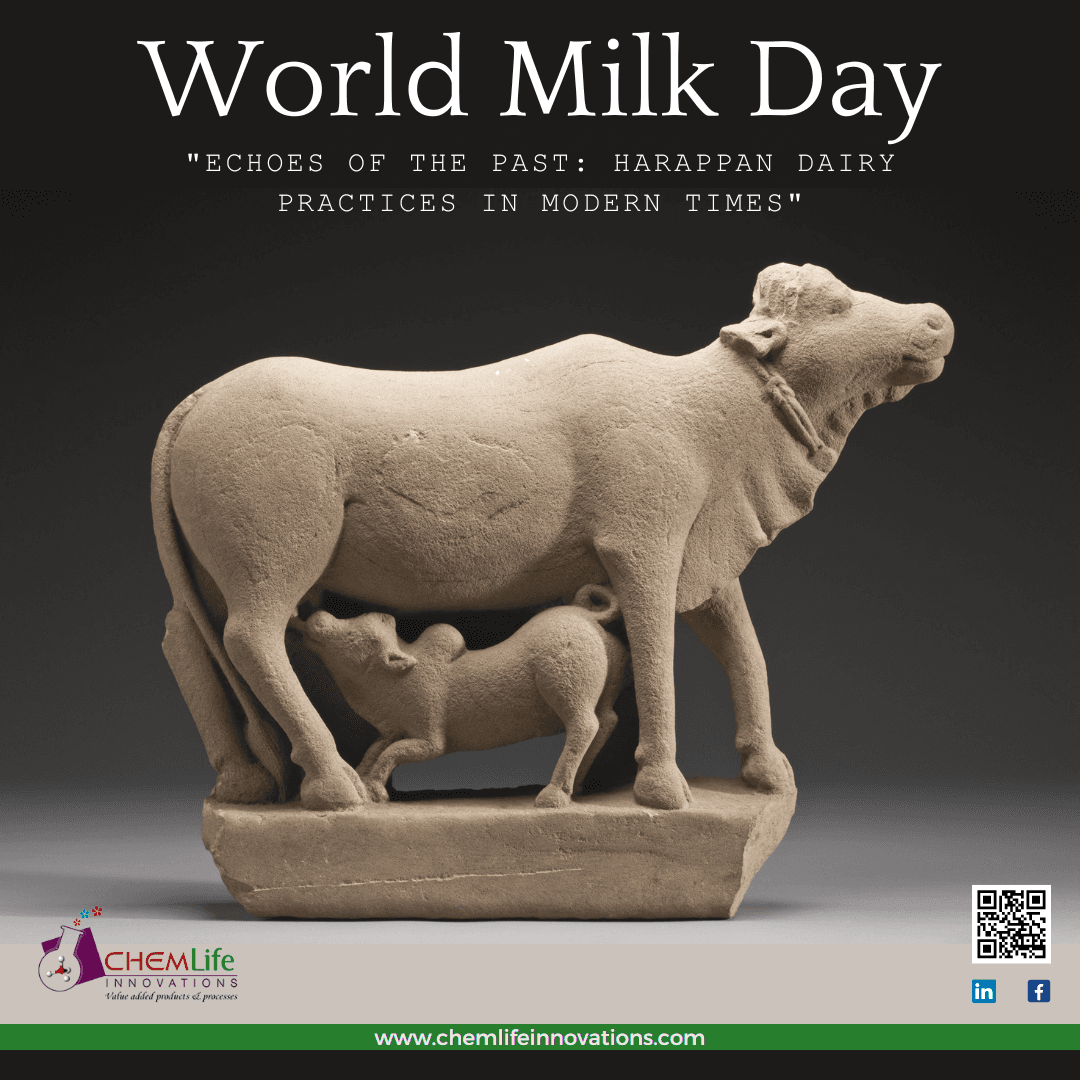
Among the artifacts, numerous clay figures of cattle and small clay carts pointed to the cultural significance of these animals. Seal-tablets depicting cow-women and possibly a bull-man highlighted the symbolic role of cattle in Harappan society. “These seals suggest that cattle were not just economic assets but also held a significant place in their ideology and daily life,” Aditi remarked.
The Harappans’ innovations in dairy production offer valuable lessons for today’s world. Their large-scale dairy operations, meticulous animal management, and efficient use of resources can inspire modern agricultural practices. “Our discoveries remind us that ancient practices can still hold relevance,” Aditi reflected. “The sustainable methods used by the Harappans in managing their dairy production can inform current efforts to balance economic growth with environmental stewardship.”

As Aditi and Michael packed up their tools, they felt a profound connection to the people who once thrived in these ancient cities. The Harappans, with their intricate balance of agriculture and dairy production, left behind a legacy that transcends millennia. Their ingenuity and resilience offer timeless lessons in sustainability and cooperation.
The journey through the past had not only uncovered the secrets of Harappan dairy production but also illuminated the enduring wisdom of an ancient civilization. The Harappans’ ability to thrive through collaboration, innovation, and sustainable practices remains a beacon of inspiration for the modern world.
Questions about feed hygiene or our products?
Talk to our team