In this article
- India’s Poultry Industry Crisis
- How Can Poultry Producers Reduce Feed Costs?
- 1. Feed Formulation Optimization
- 2. Multi-Enzyme Technologies
- 3. Alternative Ingredients
- 4. Alternative Proteins
- 5. Better Feed Hygiene and Storage Management
- 6. Farmer Education and Precision Feeding
- From Feed Costs to Feed Efficiency
India’s Poultry Industry Crisis: Feed Efficiency Solutions
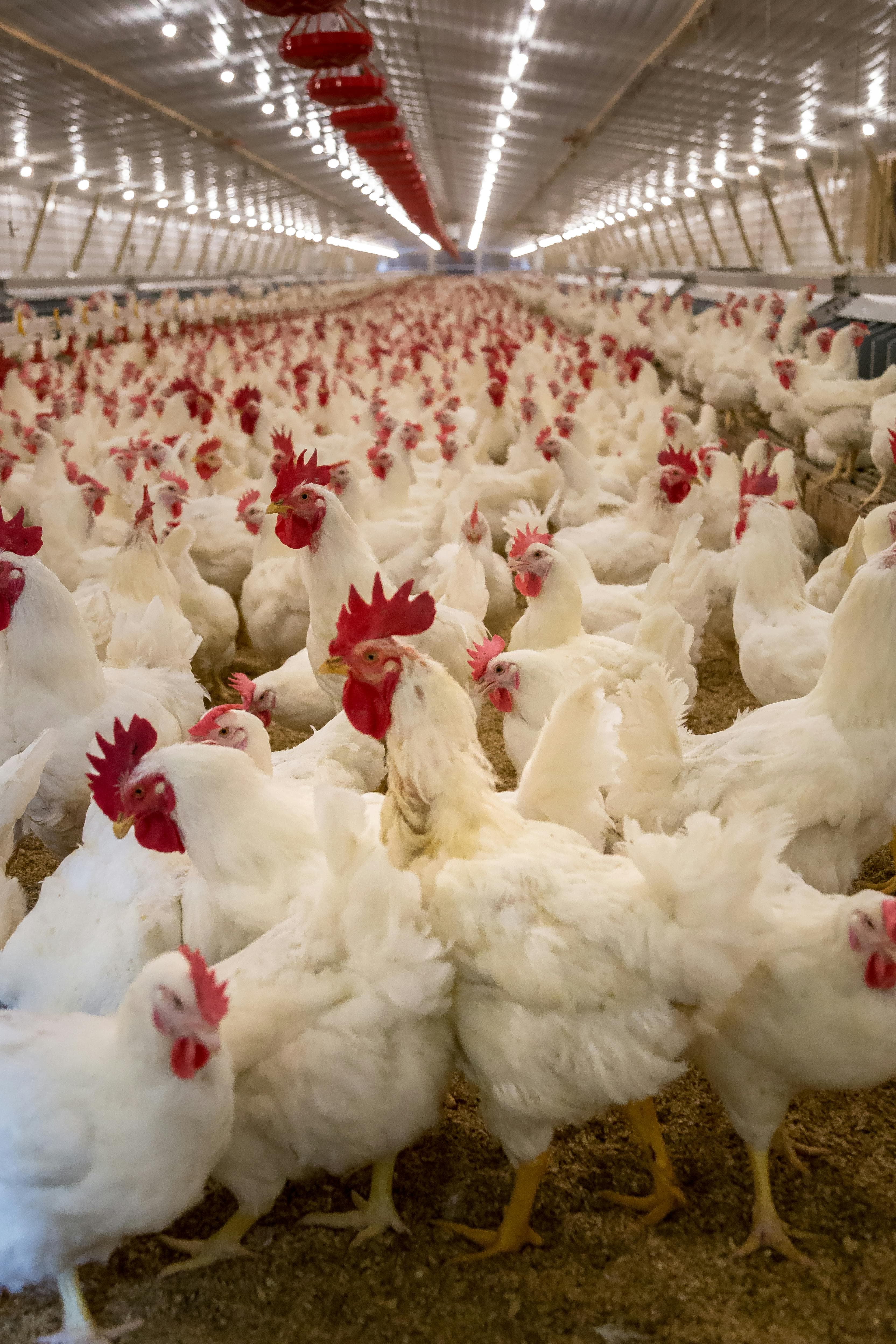
The recent announcement of a 25% reduction in poultry production due to rising feed costs has sparked concern across India’s poultry value chain.
While production cuts may provide short-term relief, they don’t solve the underlying challenge.
The real issue is far bigger.
India’s poultry industry remains heavily dependent on soybean meal, making it vulnerable to price volatility, supply disruptions, and shrinking profitability.
For an industry where feed accounts for nearly 70% of production costs, every fluctuation in raw material pricing directly impacts farmers, integrators, feed manufacturers, and ultimately consumers.
But every challenge creates an opportunity.
This is the perfect moment for the industry to accelerate innovation, rethink feed strategies, and adopt technologies that improve feed efficiency while reducing dependence on traditional protein sources.
Let’s explore six practical solutions that can help strengthen poultry profitability and build a more resilient future.
How Can Poultry Producers Reduce Feed Costs?
Poultry producers can reduce feed costs by:
✔ Optimizing feed formulation
✔ Using multi-enzyme feed additives
✔ Incorporating DDGS and oilseed cakes
✔ Exploring alternative protein sources
✔ Improving grain storage and feed hygiene
✔ Adopting phase feeding programs
Together, these strategies can improve feed conversion ratio (FCR), reduce soybean meal dependency, and enhance poultry profitability.
1. Feed Formulation Optimization: Getting More Value from Every Kilogram
For years, soybean meal has been the backbone of poultry nutrition.
However, today’s market demands greater flexibility.
Modern feed formulation techniques allow nutritionists to optimize nutrient density while reducing reliance on expensive ingredients.
Advanced least-cost formulation models can help:
- Balance digestible amino acids more precisely
- Improve nutrient utilization
- Lower feed cost without compromising bird performance
- Adapt quickly to changing ingredient prices
The future belongs to feed programs that are dynamic, data-driven, and cost-efficient.
2. Multi-Enzyme Technologies: Unlocking Hidden Nutrients
One of the most effective ways to improve poultry feed efficiency is through enzyme technology.
Many lower-cost feed ingredients contain nutrients that birds cannot fully utilize.
Multi-enzyme blends help:
- Improve digestibility
- Release trapped nutrients
- Enhance energy utilization
- Improve feed conversion ratio
- Support gut health
The result?
More nutritional value from the same feed input and better economics for producers.
In today’s environment, enzymes are no longer a feed additive.
They’re becoming a profitability strategy.
3. Alternative Ingredients: Reducing Soybean Dependency
A sustainable poultry industry cannot depend heavily on a single protein source.
India has access to several viable alternatives that can partially replace soybean meal when supported by proper formulation strategies.
Some promising options include:
- DDGS (Distillers Dried Grains with Solubles)
- Sunflower meal
- Mustard oil cake
- Rice-based protein ingredients
- Regionally available agro-industrial by-products
The goal isn’t to eliminate soybean meal.
The goal is to reduce risk through diversification.
4. Alternative Proteins: The Next Growth Frontier
Globally, the animal nutrition industry is exploring new protein sources that offer both sustainability and supply security.
These include:
Insect-Based Proteins
- Black Soldier Fly Larvae
- Silkworm Pupae Meal
Fermentation-Based Proteins
- Single Cell Protein (Yeast)
- Microbial Biomass Technologies
These innovations offer:
- Lower environmental footprint
- Improved circularity
- Reduced dependence on imported protein sources
- Long-term supply stability
What feels innovative today could become mainstream much sooner than we think.
5. Better Feed Hygiene and Storage Management
One area often overlooked in feed cost discussions is post-harvest loss.
Poor storage conditions can lead to:
- Mold growth
- Mycotoxin contamination
- Nutrient degradation
- Reduced feed quality
Every tonne of feed lost to contamination increases production costs.
Investments in:
- Improved grain storage systems
- Mycotoxin risk management
- New-generation mold inhibitors
- Feed hygiene programs
can significantly improve feed utilization and profitability.
Sometimes the biggest savings come from protecting what you already have.
6. Farmer Education and Precision Feeding
Technology alone isn’t enough.
Knowledge transfer remains one of the most powerful tools available to the poultry industry.
Phase Feeding
Adjusting nutrient levels according to bird age prevents unnecessary nutrient oversupply and lowers feed costs.
On-Farm Feed Mixing
Where feasible, farmers can utilize locally available ingredients through scientifically balanced formulations to reduce dependency on expensive commercial inputs.
Data-Driven Feeding Decisions
Monitoring bird performance, feed intake, and FCR can help producers continuously optimize nutrition programs.
The future poultry producer will increasingly rely on science-backed decision-making rather than fixed feeding practices.
From Feed Costs to Feed Efficiency
The current poultry feed cost crisis should not be viewed solely as a challenge.
It should be viewed as a catalyst for innovation.
At Chemlife Innovations, we believe the future of animal nutrition will be shaped by three key pillars:
🌱 Sustainability
🧪 Science-Driven Nutrition
♻️ Circular Economy Innovation
By combining advanced feed technologies, alternative ingredients, and smarter nutritional practices, the industry can move beyond short-term reactions and build long-term resilience.
The question isn’t:
“How do we survive high feed costs?”
The real question is:
“How do we build a poultry industry that remains profitable regardless of feed cost volatility?”
The answer lies in feed efficiency.
And feed efficiency is no longer just a technical metric.
It’s a competitive advantage.
Questions about feed hygiene or our products?
Talk to our team