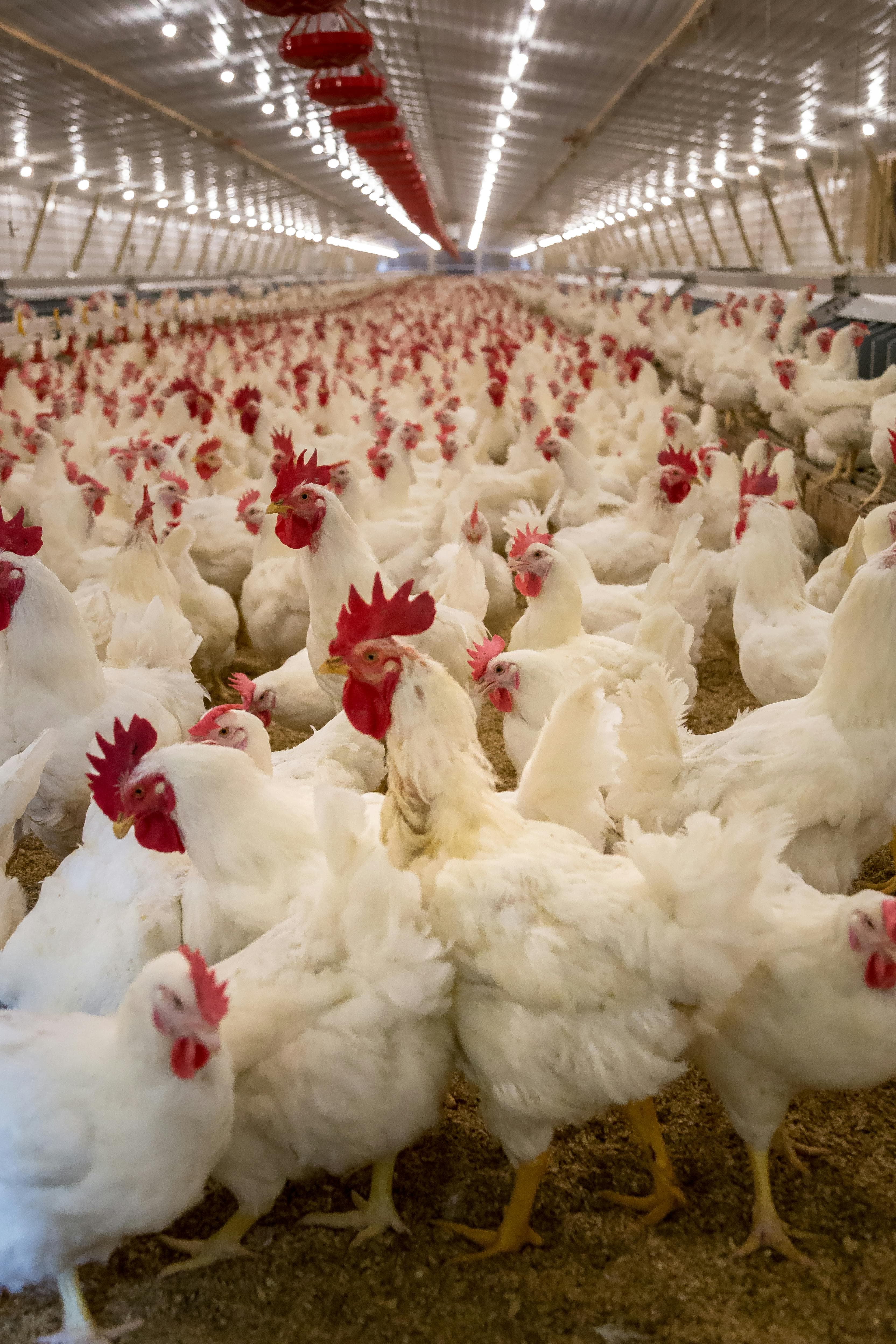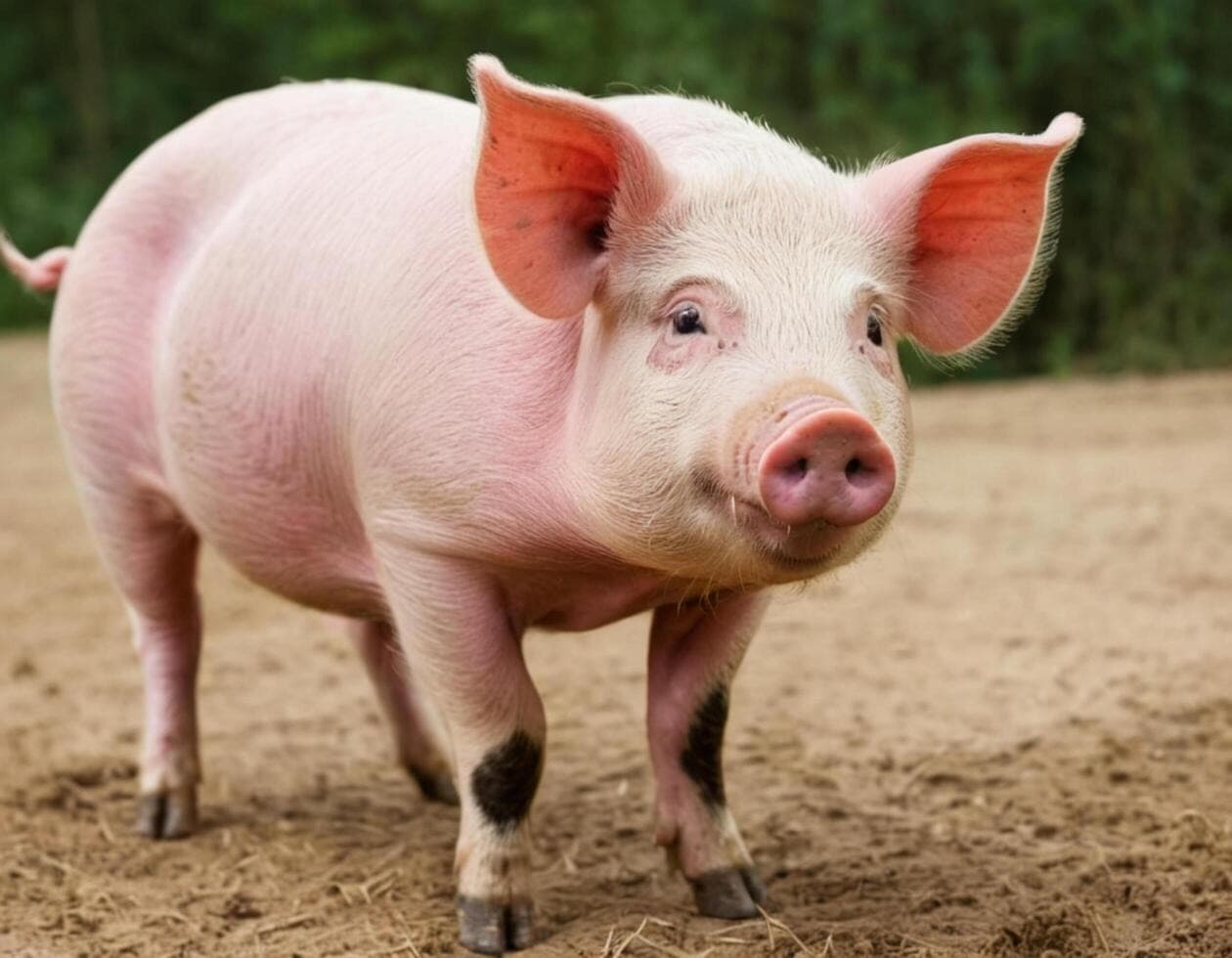

In poultry and livestock farming, feed is more than just nutrition, it’s the foundation of animal health and farm profitability. While many farmers focus on feed quality, feed hygiene often gets overlooked.
Contaminated or poorly stored feed can silently erode profits through disease outbreaks, poor growth, and higher veterinary bills. On the other hand, maintaining strict feed hygiene creates a ripple effect that benefits both the animals and the business.
Here are the top six reasons why feed hygiene directly impacts your profits:
1. Better Feed Conversion Ratio (FCR)
The Feed Conversion Ratio (FCR) is one of the clearest indicators of farm efficiency. When feed is free from mold, toxins, and pathogens, animals can digest and absorb nutrients more effectively. This means less feed is wasted, and you get more weight gain or egg production per kilogram of feed consumed. Even a small improvement in FCR translates into significant cost savings when scaled across the entire flock or herd.
2. Lower Mortality Rates
Contaminated feed is one of the fastest ways diseases spread on a farm. Harmful microbes, mycotoxins, or spoiled ingredients can lead to sudden outbreaks, increasing mortality. Every lost bird or animal represents not only a financial loss but also wasted feed and resources. By maintaining hygiene in storage, handling, and delivery, farmers can minimize mortality and safeguard their profits.
3. Enhanced Immunity
Feed that is clean and toxin-free helps build stronger immunity in animals. A robust immune system reduces the frequency and severity of diseases, ensuring consistent growth and production. This resilience means fewer setbacks, more predictable outcomes, and healthier livestock. Strong immunity also supports long-term sustainability by reducing the need for excessive antibiotics.
4. Better Egg & Meat Yield
The quality of feed shows up in the quality of output. Clean and balanced feed boosts egg production, improves shell strength, and supports better hatchability in layers. In broilers and other meat-producing animals, hygienic feed directly contributes to higher weight gain, better meat texture, and overall yield. Higher productivity means farmers can meet market demand more efficiently and at a lower cost per unit.
5. Improved Gut Health
The gut is often called the “second brain” of animals, and its health determines overall performance. Feed contaminated with pathogens disrupts the gut microbiome, leading to poor digestion and nutrient loss. On the other hand, clean feed supports a balanced gut flora, allowing animals to absorb nutrients more effectively. This translates to better growth rates, stronger health, and consistent farm outcomes.
6. Reduced Veterinary Costs
Veterinary care, medicines, and treatments are among the biggest hidden expenses in farming. Poor feed hygiene increases the frequency of illnesses, pushing these costs higher. By preventing contamination at the source, farmers can significantly cut down on medical bills, antibiotic use, and emergency interventions. Prevention through feed hygiene is far more cost-effective than cure.
Conclusion
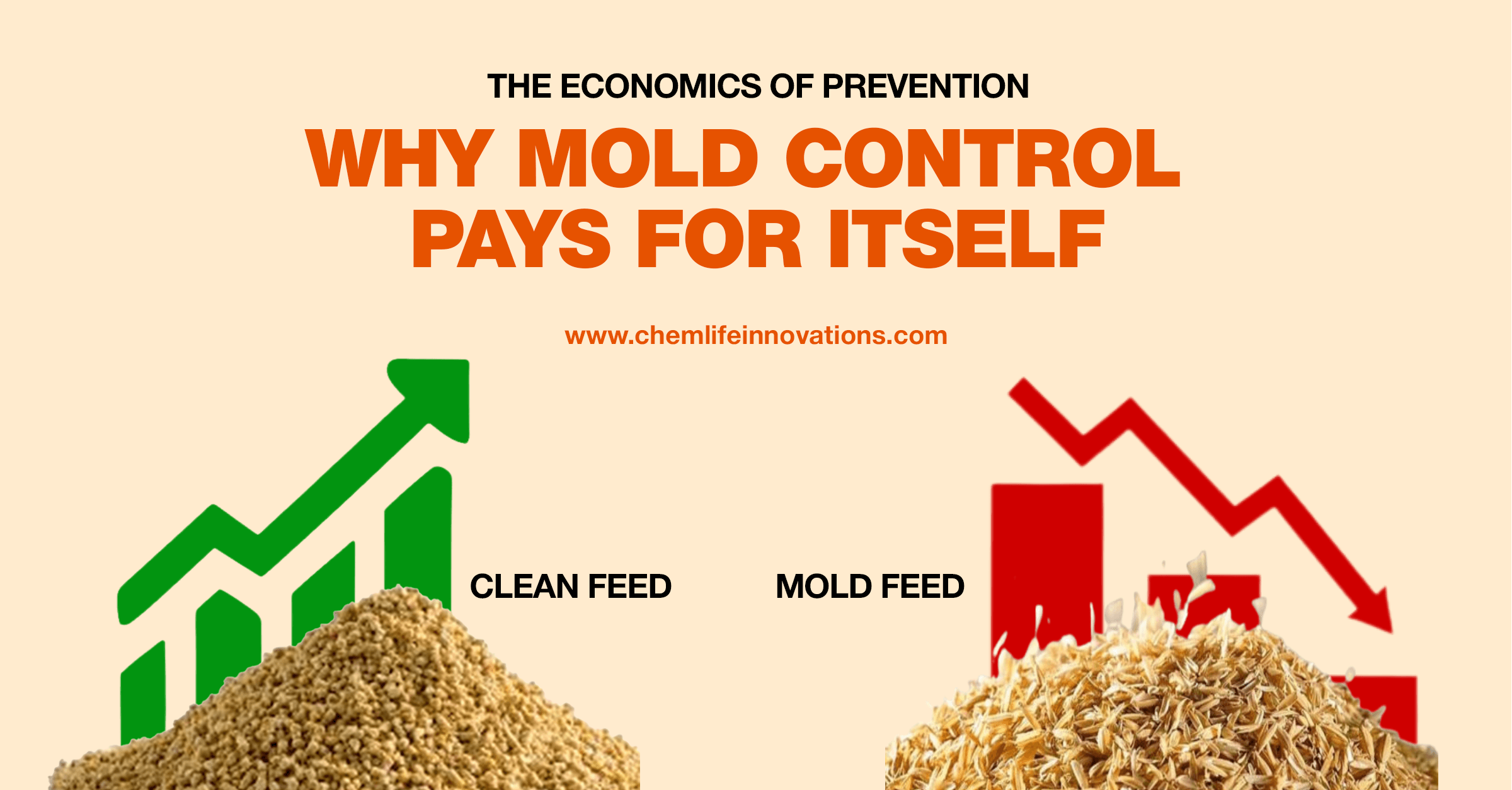
Feed hygiene is not just about animal health, it’s about business health. From better efficiency and higher yields to reduced mortality and lower medical costs, clean feed creates a cycle of healthier animals and healthier profits. Investing in feed hygiene is, in fact, investing in the long-term sustainability of your farm.
Questions about feed hygiene or our products?
Talk to our team