
In the world of livestock farming, feed isn’t just nutrition, it’s survival. Healthy feed means healthy animals, consistent productivity, and safe food for consumers. But when mold silently creeps into feed, it can turn from a life-giver into a life-taker.Across the globe, mold outbreaks have led to devastating losses for farmers, jeopardizing both animal welfare and human livelihoods.This blog explores real-world cases of mold contamination, the damage it caused, andthe lessons farmers and feed managers can take away to prevent history from repeating itself.
Case Study 1: Poultry Losses in Southeast Asia
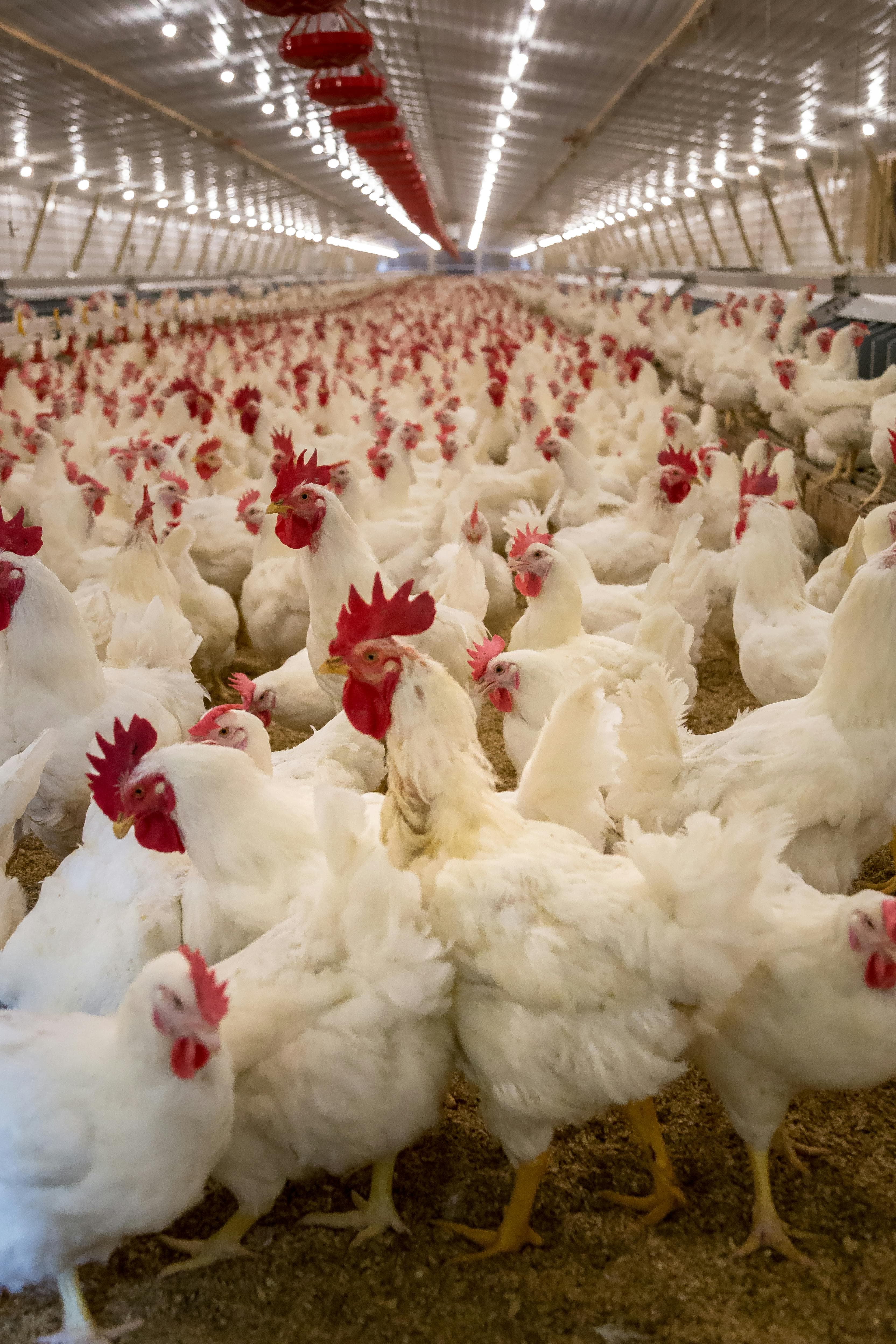
In 2019, a poultry farm in Southeast Asia faced an outbreak that wiped out nearly 40%of its flock within weeks. Post-mortem examinations revealed liver damage and weakened immune systems. Lab tests confirmed the culprit aflatoxin B1, a toxin produced by Aspergillus mold.The toxin had contaminated the corn-based feed during storage, where high humidity created the perfect breeding ground. Despite being a large-scale farm, lack of routine feed testing allowed the problem to go undetected until mortality rates spiked.Proper storage and regular mycotoxin testing could have prevented millions in losses.Poultry, being especially sensitive to aflatoxins, requires stricter monitoring of raw ingredients.
Case Study 2: Dairy Cows and Invisible Threats
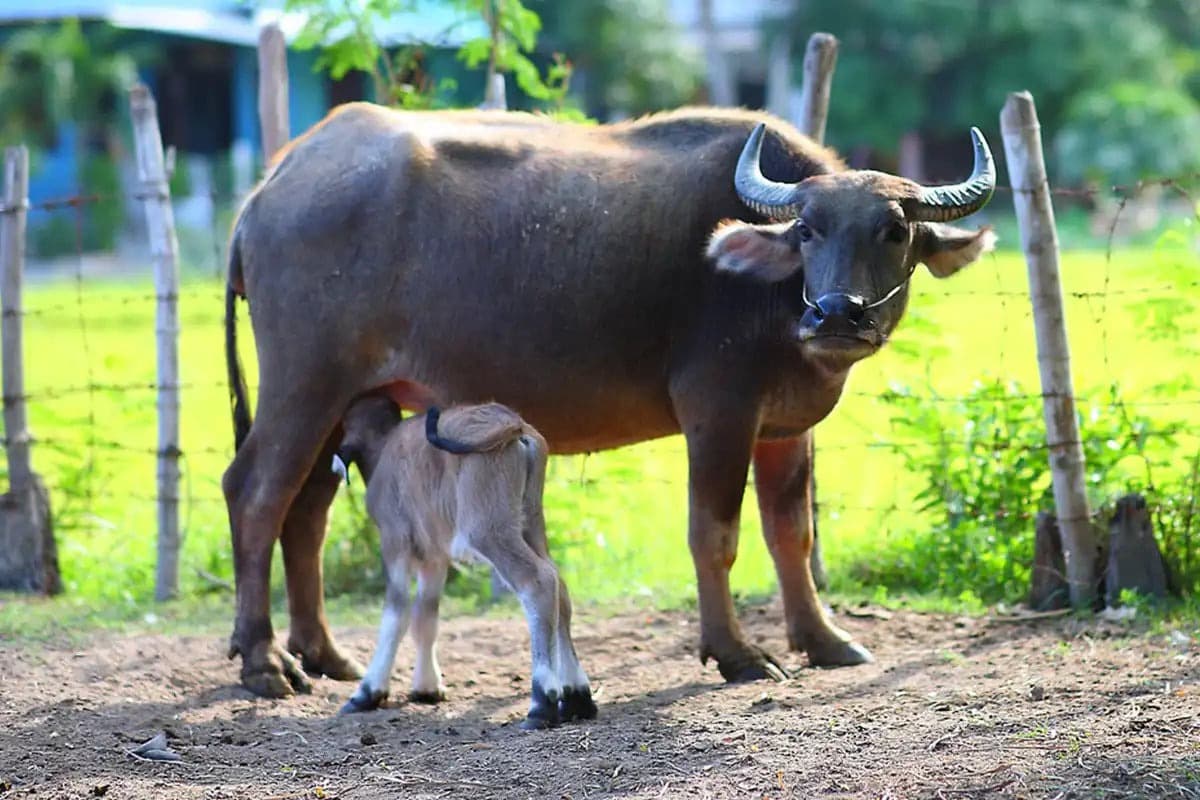
A European dairy farm experienced a puzzling drop in milk yield in 2021. Initially, the farmer attributed it to seasonal changes, but veterinary checks showed no signs of infection. Finally, feed analysis revealed ochratoxin contamination in silage. The cows were not visibly sick but displayed reduced appetite, weight loss, and reproductive issues. The toxins interfered with kidney function, gradually lowering productivity without causing sudden deaths.Not all mold outbreaks are dramatic. Some, like ochratoxin exposure, chip away at performance quietly, making regular feed audits critical for long-term farm profitability.
Case Study 3: Swine Farms and Multi-Toxin Exposure
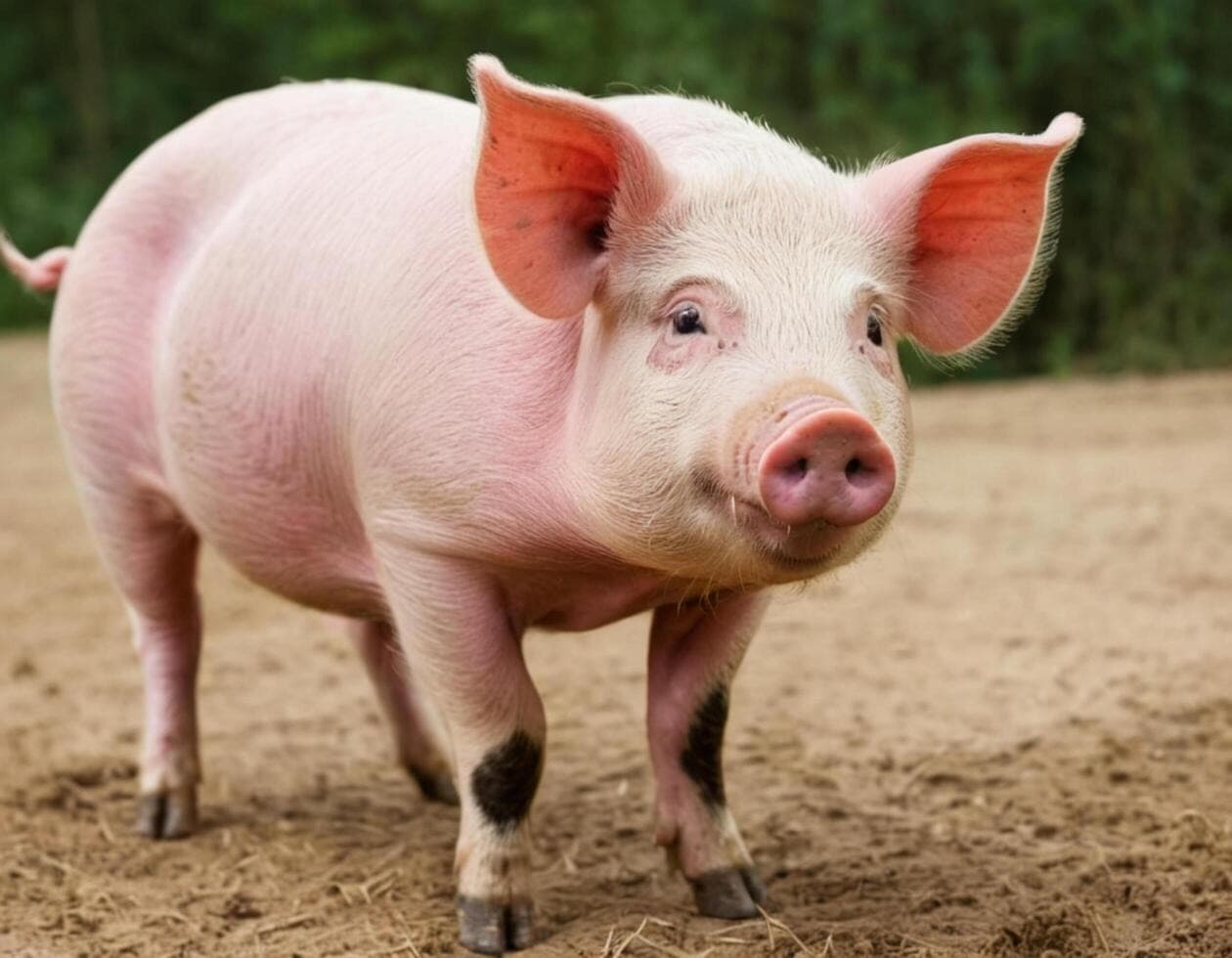
In South America, a swine operation reported high piglet mortality and frequent cases of diarrhea and stunted growth. Investigations uncovered a cocktail of zearalenone and fumonisins in feed.
●Zearalenone causes reproductive failures in sows, false heats, and miscarriages.
●Fumonisins damage the liver and lungs, making pigs more vulnerable to secondary infections.
The combination of toxins made the outbreak particularly deadly, as pigs suffered from multiple health issues simultaneously.
Multi-toxin exposure is more common than farmers think. A single feed batch can carry different molds, amplifying risks. Comprehensive testing for multiple toxins is essential optional; it’s essential.
Case Study 4: Fish Farms Facing Hidden Dangers
Aquaculture isn’t immune to mold either. In 2022, a tilapia farm in Africa saw massive die-offs when feed pellets stored in damp conditions became contaminated with mycotoxins. Fish exposed to these toxins developed liver damage and poor growth rates, leading to a 60% production loss.
Lesson learned : Water environments amplify risks, as moldy feed breaks down quickly and spreads contamination rapidly. For aquaculture, airtight storage and shorter feed cycles are critical safeguards.
The Human Cost of Mold in Feed
The impact of mold outbreaks doesn’t stop at animals. Farmers face:
●Financial ruin from sudden livestock deaths or long-term productivity decline.
●Food chain risks, as mycotoxins can pass into milk, eggs, and meat, endangering consumers.
●Psychological stress, with farmers watching years of work crumble in days due to preventable contamination.
When feed turns fatal, the ripple effects extend beyond the farm affecting communities,markets, and public health.
Preventing the Next Outbreak
The stories above highlight a tough truth: mold outbreaks are often preventable.Farmers and feed managers can reduce risks through:
●Proper storage: Keeping feed dry, cool, and well-ventilated to block mold growth.
●Routine testing: Lab analysis for multiple mycotoxins before feed reaches animals.
●Use of proper mold inhibitors: Adding suitable mold inhibitors neutralizes potential contamination.
●Education and vigilance: Training farm staff to identify early warning signs, unexplained health dips, feed odor changes, or moisture in storage.
Conclusion
From poultry houses to fish ponds, the danger of mold in feed is real and it doesn’t discriminate. The case studies serve as stark reminders that what seems like a minor oversight in storage or testing can spiral into fatal consequences for animals and farmers alike.
Feed is the foundation of livestock farming. Protecting it from mold isn’t just about boosting productivity; it’s about safeguarding animal health, farmer livelihoods, and food safety for everyone. The lesson is simple: prevention is always cheaper, kinder, and smarter than crisis management.
Questions about feed hygiene or our products?
Talk to our team