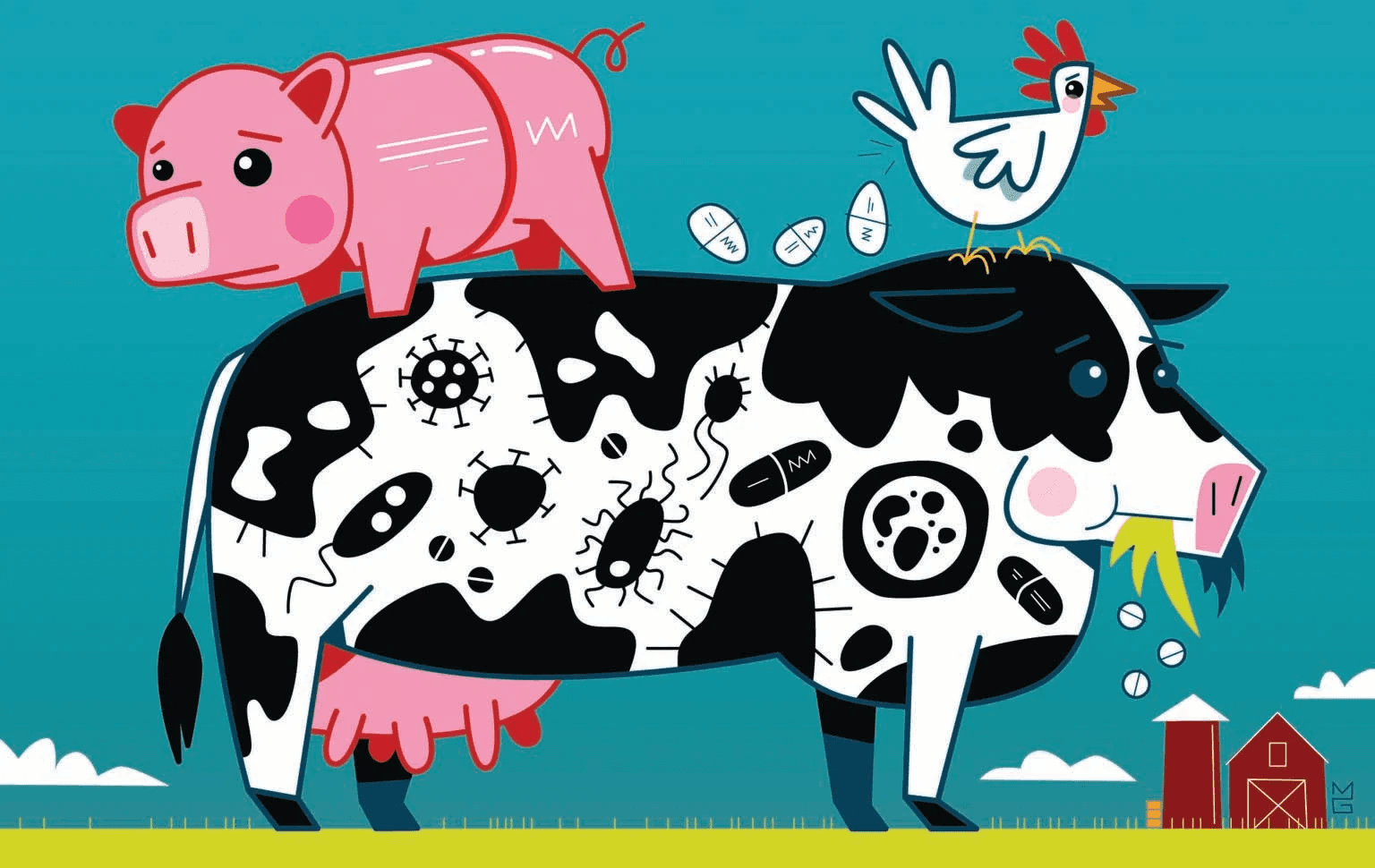
Antibiotics are used in Food Animals under three conditions: For treatment of Disease in Animals; as Prophylactic to Prevent Disease and as Growth Promoters.
The amount of antimicrobials used in food animals will escalate globally from 63,151 tons in 2010 to 105,596 tons by 2030 – an increase of 67%.
The followings are the estimated global average annual consumption of antimicrobials to produce one kilogram of meat:
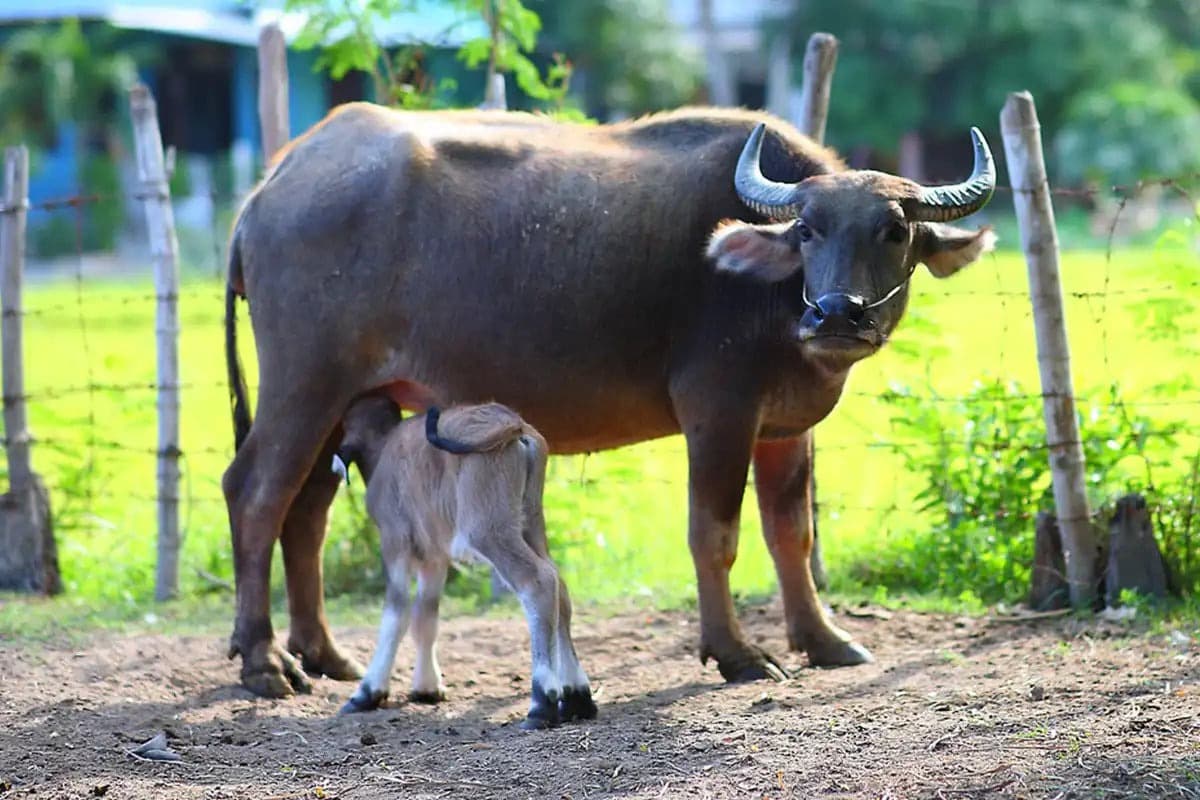
| Beef | 45 mg |
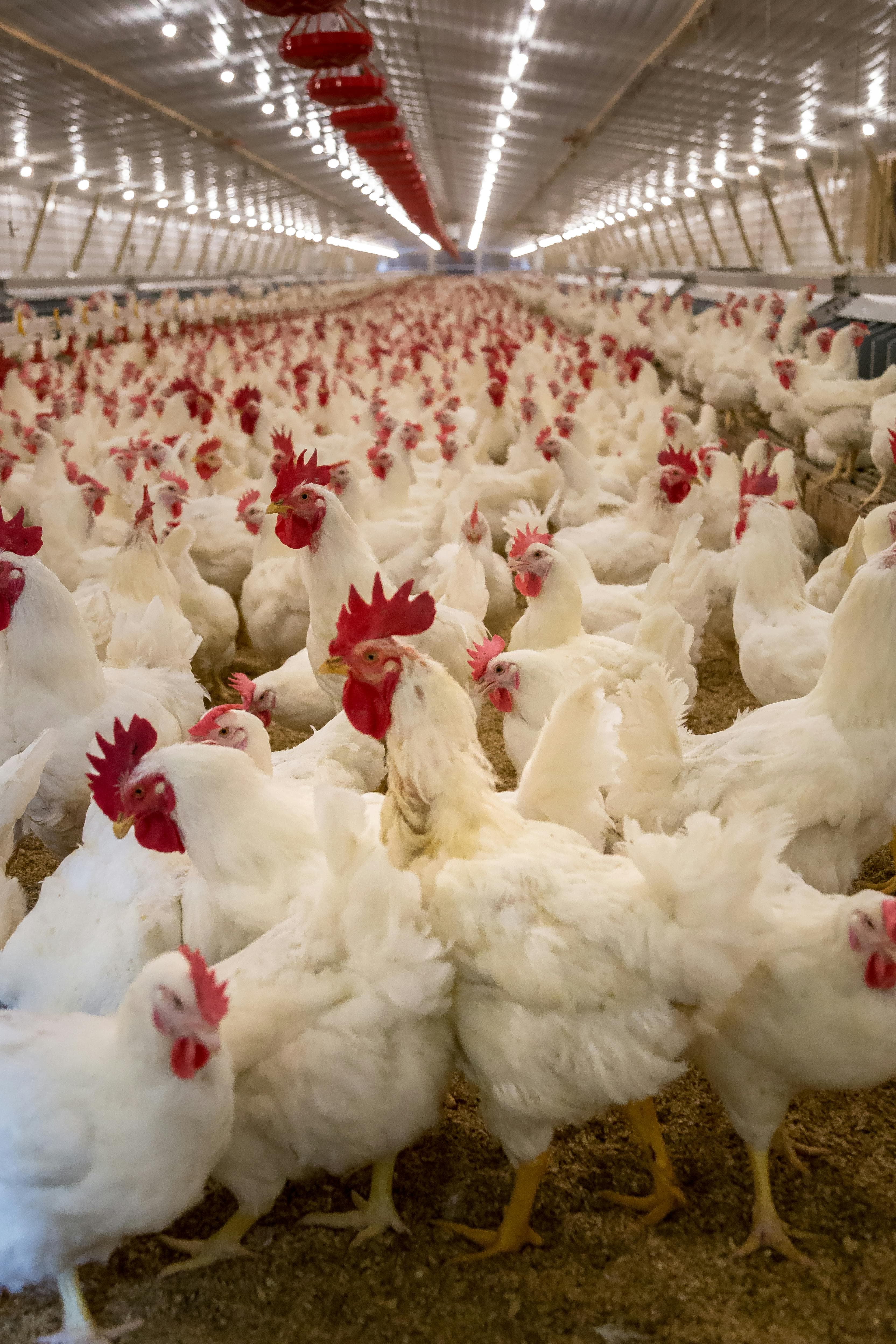
| Chicken | 148 mg |
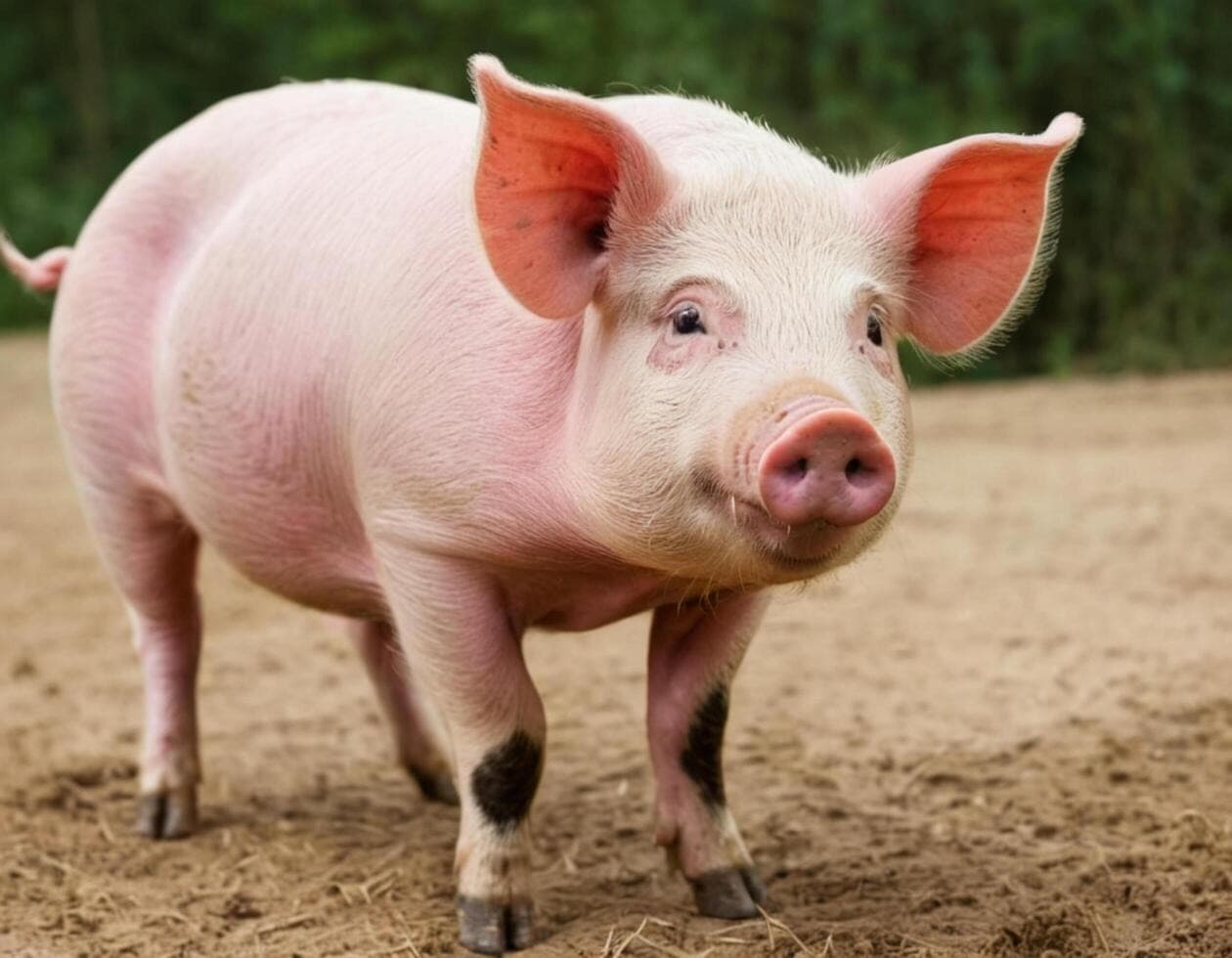
| Pork | 172 mg |
Top 5 countries consuming maximum antimicrobials in animal food production
| China | USA | Brazil | India | Germany |
| 23% | 13% | 9% | 3% | 3% |
India’s livestock sector accounts for 11.6% of the world’s livestock population. Chicken is the most consumed meat in India with an average of 3.6 Kg per capita consumption. The use of antibiotics in animal feed is estimated to increase by 82% in India by 2030. Globally penicillins, tetracyclines and quinolones are some of the most widely used antibiotics. These are the very same antibiotics which are of utmost use for human beings for which widespread pathogenic bacterial resistances have been reported.
Actions in progress for reducing antibiotic use in Food Animals
- Educate farmers, nutritionists, veterinarians, and other stakeholders on the dangers of antimicrobial resistance.
- Phase out the use of antibiotics for food animal rearing
- Stop use of critically important antibiotics in food-animal production.
- Implement withdrawal period between the use of antibiotics and animal slaughter
- Focus on biosecurity guidelines in the farms
- Promote alternative growth promoters including phytoactives, probiotics & enzymes.
Questions about feed hygiene or our products?
Talk to our team