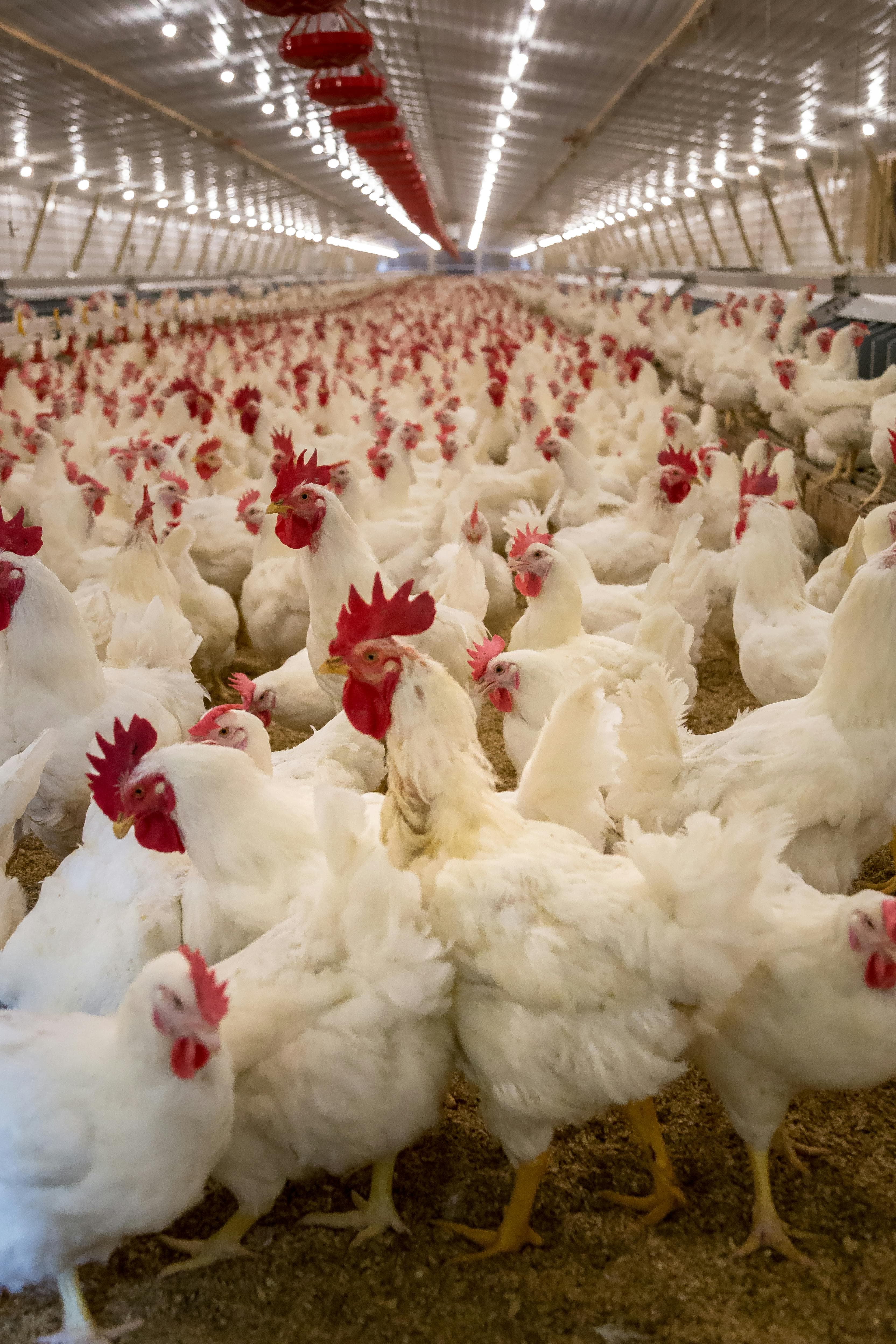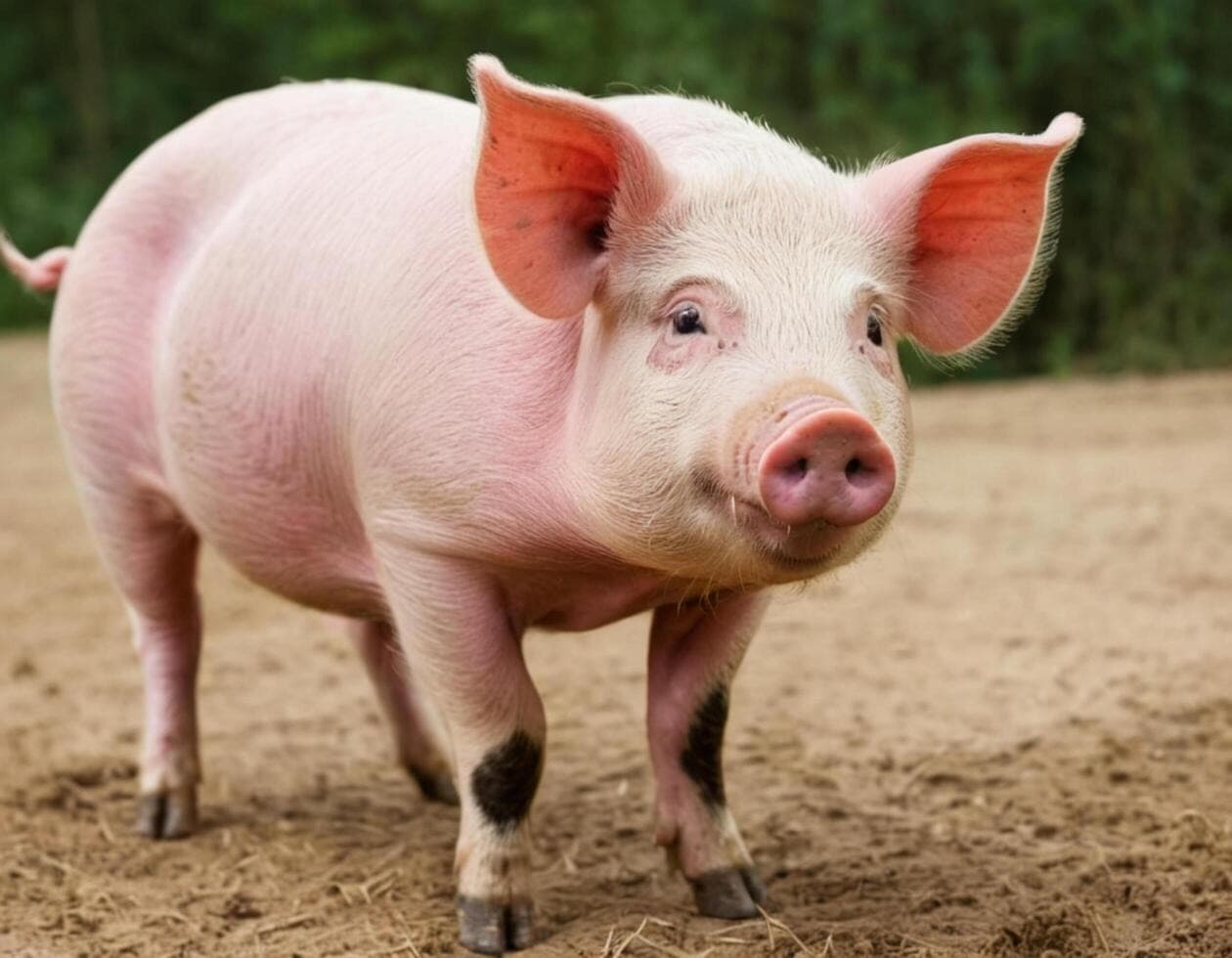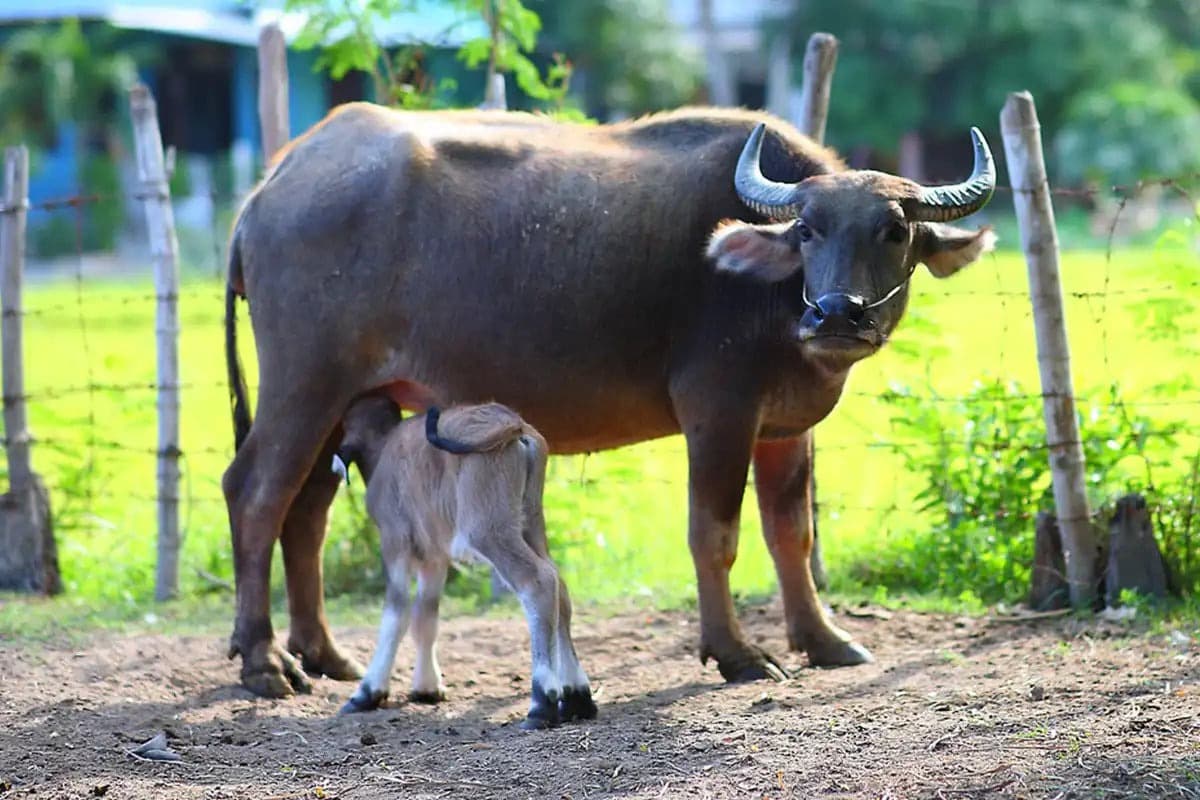

- Total emissions from global livestock: 7.1 Gigatonnes of CO2-equiv per year, representing 14.5 percent of all anthropogenic Greenhouse Gas Emissions.
- Cattle’s carbon footprint is 65% of the livestock sector’s emissions (contributed mainly by land use for fodder & enteric fermentation). Pig meat contributes 9%, chicken meat & eggs 8% and small ruminant milk & meat 6%.
- Emission intensities (emissions per unit of product) are highest for beef (300 kg CO2-eq per kg of protein produced), followed by meat and milk from small ruminants (165 and 112kg CO2-eq.kg respectively). Cow milk, chicken (below 100 CO2-eq/kg.)
- About 44% of livestock emissions are in the form of methane. The remaining part is almost equally shared between Nitrous Oxide (29%) and Carbon Dioxide (27%).
Efficient practices key to reducing emissions
For livestock production systems, nitrous oxide, methane and carbon dioxide emissions are losses of nitrogen, energy and organic matter that undermine efficiency and productivity. Therefore, interventions shall be in the area of improving production efficiency.
| Ruminants | Mono-gastric animals (Poultry & Swine) |
| Use of better feed, feed additives & feeding techniques | Precision feeding & breeding |
| Fewer & more productive animals | Better health care |
| Recycling of nutrients & energy from manure | Switching to feed ingredient sources whose production is less energy intensive |
| Better management of grazing lands & creation of carbon sinks | More sustainable sources of power |
Questions about feed hygiene or our products?
Talk to our team