Copper sulphate is used extensively in modern agriculture for both crop protection and animal husbandry. Because of its antibacterial qualities, it is frequently employed as a fungicide. It also finds use as pesticide, and animal feed additive. Even while copper sulphate has many advantages, its overuse and prolonged use have caused major environmental problems, especially with relation to soil erosion and water contamination.
This article examines how excessive copper sulphate consumption, particularly from animal waste, causes copper buildup on farms and ultimately decreases the long-term viability of agricultural ecosystems.
The Role of Copper Sulfate in Agriculture
Common uses for copper sulphate include:
- Crop protection: It prevents fungal diseases in citrus fruits, grapes, and potatoes.
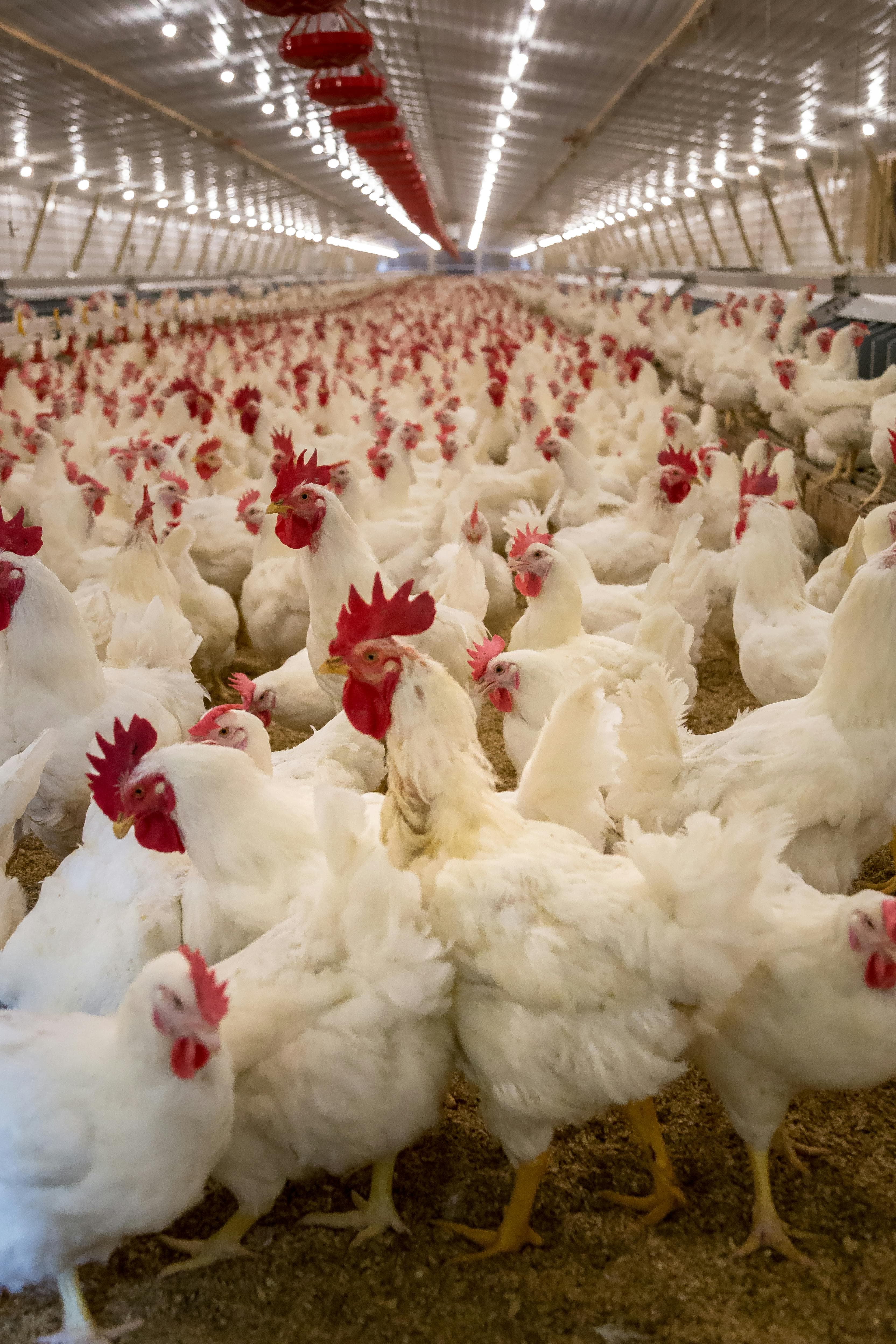
- Mold inhibition: It finds use in poultry feed as mold inhibitor.
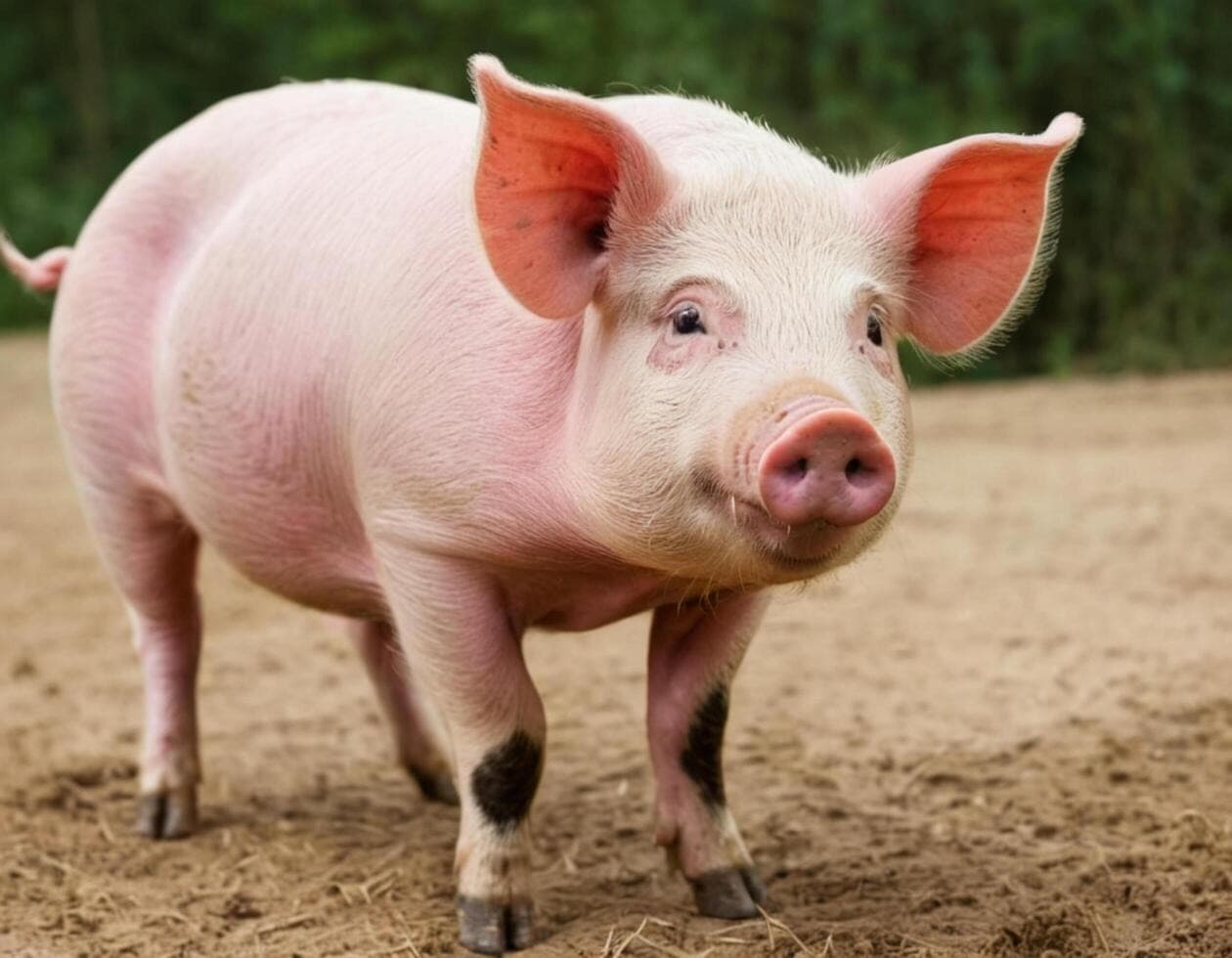
- Animal nutrition: It is added to feed pig and poultry to boost immunity and encourage growth.
However, copper turns into a persistent contaminant when used in excess of what is advised or without proper monitoring.
Copper Excretion: An Overlooked Source of Pollution
The excrement of animals is one of the main ways that copper enters the soil. Animals are frequently fed diets enriched with copper, especially pigs and poultry. Unfortunately, just a small portion of the copper that these animals eat is absorbed.
According to studies, pigs only absorb 1% to 5% of the copper they consume. 95–99% of it is expelled and finds its way to manure. The use of manure high in copper residues to fields causes excessive copper buildup in the soil over time.
Copper Accumulation in Soil: A Silent Degrader
In contrast to organic contaminants copper doesn’t break down or deteriorate in the environment. Copper accumulates to dangerous amounts in soil when it is repeatedly added by manure or direct application, leading to a number of negative consequences:
1. Disturbance of Microbial Life in the Soil
Many useful soil microbes are poisoned by copper. These microorganisms are essential for:
- The recycling of nutrients
- Decomposition of organic matter
- Interactions between plants and its roots
Microbial diversity and activity decrease with increasing copper levels, leading to nutritional imbalance and decreased soil fertility.
2. Effects on Soil Life
Earthworms, which are vital to the structure and aeration of soil, are especially vulnerable to metallic contamination. Their numbers gets drastically affected by high copper levels, which results in:
- Poor soil structure
- Less aerated and compacted soils
- Decline in natural soil regeneration process
3. Decrease in Crop Yield
Plant root systems are directly impacted by copper poisoning. It hinders nutrient uptake and root elongation, which results in stunted growth and lower yields. In extreme situations, sensitive crops may exhibit:
- Root burn
- Chlorosis (leaf yellowing)
- Total crop failure
4. Leaching and Water Contamination
Although copper normally has little mobility in soil, leaching can become an issue with large quantities and frequent application, especially in sandy or acidic soils.
Aquatic life suffers when copper seeps into groundwater or adjacent bodies of water. Even at low quantities, fish and invertebrates are extremely sensitive to copper.
- Water quality deteriorates.
- Human health hazards from excessive copper in drinking water sources include liver damage and gastrointestinal upset.
In regions where animal farms are concentrated, water systems nearby can become contaminated over time.
5. The Long-Term Cost: Loss of Farm Sustainability
Overuse of copper sulphate has gradual but irreversible environmental effects,if left unchecked. The following are the main dangers to farm sustainability:
- Degradation of soil: Long-term fertility loss caused by low soil structure and decreased microbial activity
- Water pollution: Aquatic ecosystems, animals, and nearby communities are all impacted by contaminated water
- Consequences for regulations: As awareness increases, farming enterprises that primarily rely on copper-based goods may face tighter environmental rules
What starts out as a temporary boost to productivity gradually turns into a hindrance to sustainable farming.
Mitigating the Impact: Responsible Practices
Farmers and authorities need to be proactive in preventing copper accumulation and safeguarding the health of the environment. These consist of:
- Controlled Use in Feed:
Ensure that animal feed contains only the required amounts of copper. Consider appropriate bio-available forms of copper & alternatives like probiotics, enzymes, or herbal growth accelerators. - Frequent Testing of Soil:
Test copper content in soil on an annual basis. Avoid applying manure to fields with already high copper concentrations. - Waste Management:
Rotate fields where manure is applied. Compost manure with carbon-rich materials to reduce metal concentration. - Buffer Zones and Wetlands:
Establish vegetative buffer zones near water bodies. Use constructed wetlands to filter runoff before it reaches aquatic systems.
Conclusion
Unquestionably, copper sulphate has increased agricultural production, but its unregulated usage, particularly through livestock excrement, has resulted in major environmental problems. The long-term effects of copper accumulation—from water contamination to soil degradation—pose a challenge to the fundamentals of sustainable farming.
It is imperative that the agricultural community reconsider how it uses copper. By implementing responsible practices, monitoring environmental indicators, and exploring alternative solutions, we can ensure that farming remains viable for this generation and the ones to come.
Questions about feed hygiene or our products?
Talk to our team