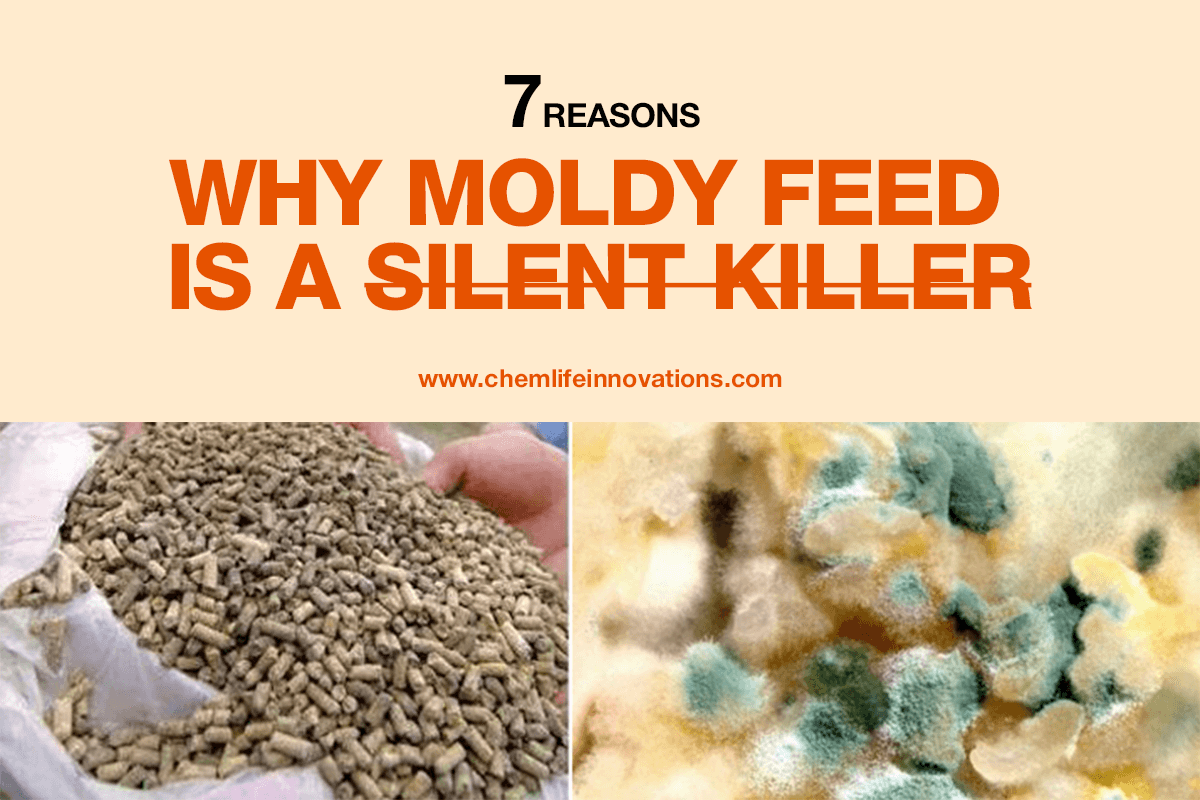
One of the biggest continuous expenditures in any livestock or poultry operation is feed. While nutrition is normally the focus, feed quality and hygiene during storage are equally important – and sometimes overlooked.
It’s easy to miss mold in feed. It might have a mildly odd smell or just seem like harmless discoloration. However, it can have disastrous long-term impacts on the productivity and health of animals.
Here are seven strong reasons why moldy feed should be considered a serious hazard rather than a minor issue:

1. Mycotoxins Damage Internal Organs
Moldy feed contains mycotoxins — toxic substances produced by fungi. These toxins can impair immunity and cause long-term damage to the intestines, liver, and kidneys.
Routine testing of feed helps detect and prevent mycotoxin-related damage.

2. Decreased Feed Intake
Mold affects the smell and taste of feed, leading animals to eat less or refuse it altogether.
This results in reduced growth and lower productivity.
Daily inspection and immediate disposal of musty-smelling or spoiled feed is essential.

3. Loss of Nutritional Value
As mold grows, it consumes key nutrients like proteins, vitamins, and minerals.
Even if animals eat the same quantity, they get less nutrition.
Proper drying and sealed storage can help preserve feed quality.

4. Weakens the Immune System
Regular consumption of moldy feed weakens animals’ natural defenses.
Even vaccinated animals may fall sick more frequently.
A sudden increase in illness across a flock could be a sign of contaminated feed.

5. Causes Respiratory Distress
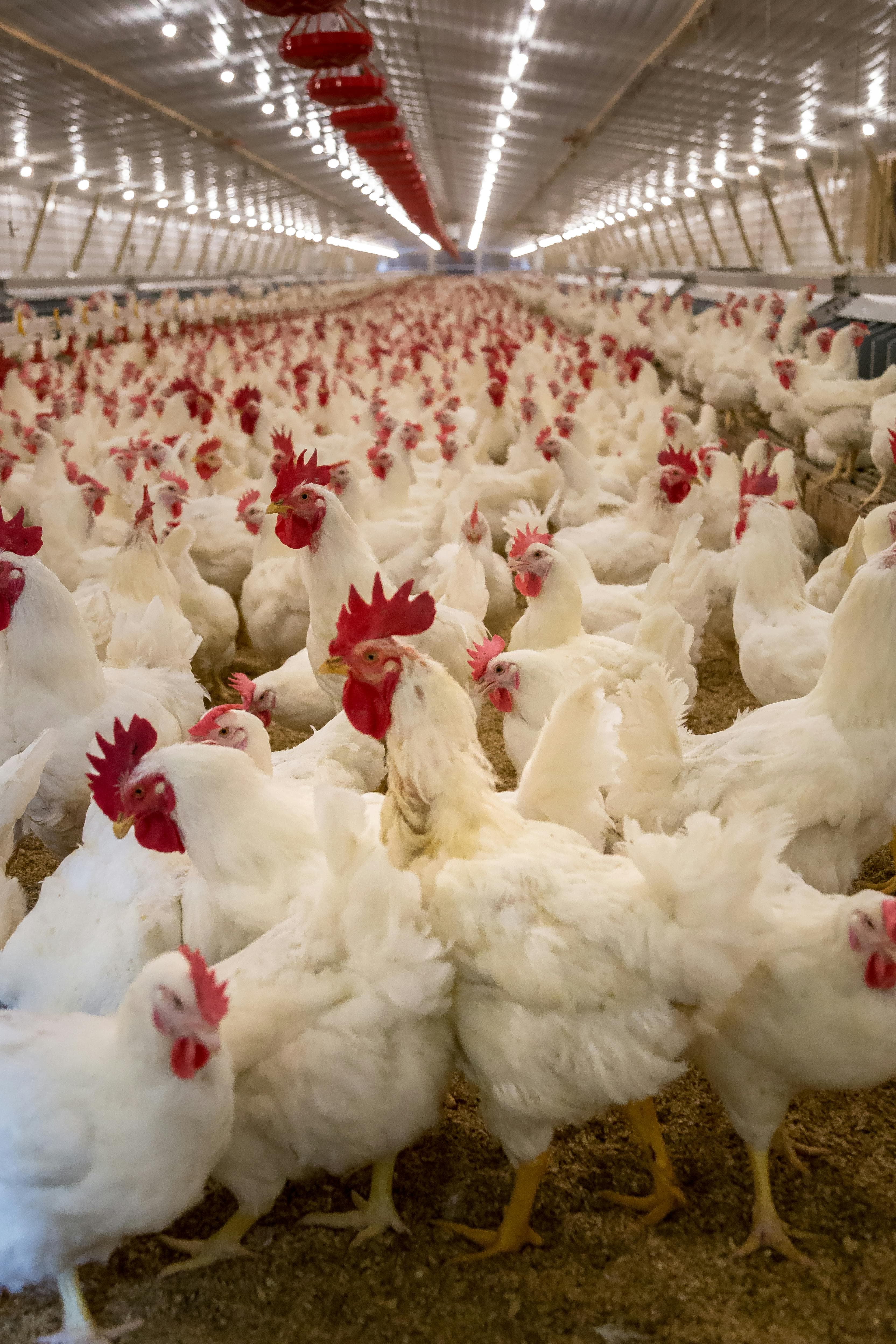
In poultry, airborne mold spores can irritate the respiratory tract, leading to coughing, sneezing, and labored breathing.
Feed should always be stored in dry, clean, and well-ventilated spaces to prevent spore buildup.

6. Rapid Spread to Healthy Feed
In warm or humid environments, mold can spread quickly.
A single contaminated bag can spoil an entire feed batch within days.
Use sealed containers and rotate stock — always use older feed first.

7. Long-Term Financial Loss
Moldy feed leads to poor animal health, higher treatment costs, and reduced output.
These hidden costs build up over time, resulting in substantial financial losses.
Preventive care is far more cost-effective than damage control.
Conclusion
Moldy feed might not seem dangerous at first glance, but it can severely affect animal health and farm profitability.
Next Steps:
- Keep storage areas dry and clean
- Inspect feed regularly
- Follow the First-In, First-Out (FIFO) method
- Test suspicious feed batches
Small improvements in feed management today can protect both your animals and your profits tomorrow.
Questions about feed hygiene or our products?
Talk to our team