In recent times there has been active research on the utility of copper, its compounds and alloys for infection control. The microbicidal effect of copper on a wide range of pathogens, viz bacteria, fungi and viruses has been demonstrated by many of these studies. The effectiveness of copper extends to methicillin-resistant Staphylococcus aureus (MRSA) and vancomycin-resistant Enterococci (VRE). It stands out as an effective antimicrobial agent and is specifically correlated with enhanced wound healing. The substitution of copper alloys on surfaces within a clinical setting has been demonstrated to significantly reduce hospital-acquired infections (HAI) and more recently, copper-infused fabrics have also been developed and are in use for infection control.
Deciphering Copper’s antimicrobial arsenal
Copper’s remarkable antimicrobial capabilities stem from its multifaceted interactions with microbial cells. Upon encountering pathogens, copper ions orchestrate a symphony of destruction, permeating cell membranes and triggering cellular leakage, ultimately leading to microbial demise. Additionally, copper induces oxidative stress within microbial cells by catalyzing the generation of reactive oxygen species (ROS) and setting destruction in motion. Unlike conventional antimicrobial agents, copper’s intricate assault renders it less susceptible to microbial resistance mechanisms, positioning it as a formidable contender for sustainable infection control strategies.
In vitro antimicrobial studies
A plethora of in vitro investigations have unveiled copper’s formidable antimicrobial repertoire against a diverse array of pathogens spanning bacteria, viruses, and fungi. Few examples are listed here:
– Copper inhibits Actinomucor elegans, Aspergillus niger, Bacterium linens, Bacillus megaterium, Bacillus subtilis, Brevibacterium erythrogenesis, Candida Utilis, Penicillium chrysogenum, Rhizopus niveus, Saccharomyeces mandshuricus and Saccharomyces cerevisiae.
– Candida utilis is completely inhibited at 0.04 g/L copper concentrations
– Tubercle bacillus is inhibited by copper as simple cations or complex anions in concentrations from 0.02 to 0.2 g/L.
– Achromobacter fischeri and photobacterium phosphoreum growth is inhibited by metallic copper.
– Poliovirus is inactivated within ten minutes of exposure to copper with ascorbic acid.
Applications of infection control exhibited by Copper
Copper surfaces: A shield against contamination
Laboratory simulations and real-world applications have demonstrated the efficacy of copper surfaces in curbing microbial proliferation and reducing contamination rates. Copper-infused materials, ranging from medical equipment to environmental surfaces, have demonstrated a remarkable ability to sustainably lower bacterial burdens and mitigate the risk of HAI.
Copper dressings: Novel approach for wound healing
In addition to its pivotal role in infection control, copper emerges as a linchpin in the intricate tapestry of wound healing processes. Copper’s facilitation of angiogenesis, the formation of new blood vessels, through the upregulation of vascular endothelial growth factor (VEGF), underscores its therapeutic potential in tissue repair and regeneration. Moreover, copper’s promotion of extracellular matrix protein synthesis, including collagen and elastin, lays the foundation for robust tissue remodeling and scar formation. These insights illuminate copper’s multifaceted contributions to wound care and herald its integration into innovative therapeutic modalities.
Safety considerations and environmental sustainability
While the allure of copper’s antimicrobial prowess is undeniable, meticulous attention to safety considerations is paramount. Extensive research endeavors have unequivocally demonstrated the safety of copper across diverse applications, with minimal risk of adverse effects on human health. Furthermore, copper’s environmental sustainability, characterized by its minimal ecological footprint compared to alternative antimicrobial agents, underscores its appeal as a long-term solution for infection control.
Copper: From the Role of an Essential Trace Element to Poultry Growth Promotion:
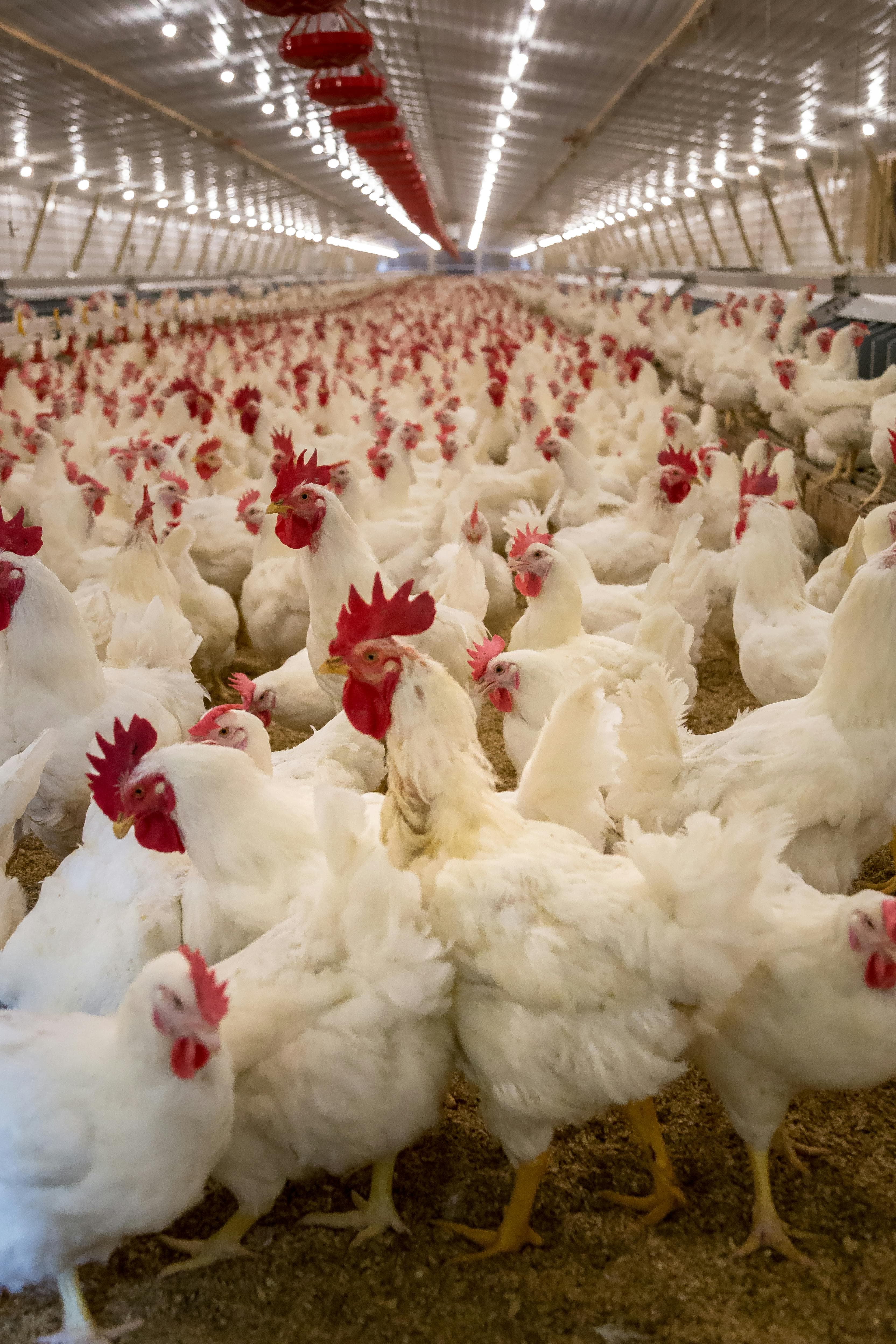
Copper is an essential trace element widely used in poultry diets, acting as a critical cofactor and enzyme component for several biological processes, including at cell membranes and in ATP production. Its antimicrobial properties are currently being investigated for poultry growth promotion through modulation of the gut microbiota. Our future blogs will focus on the utility of various forms of copper from an animal health and growth perspective.
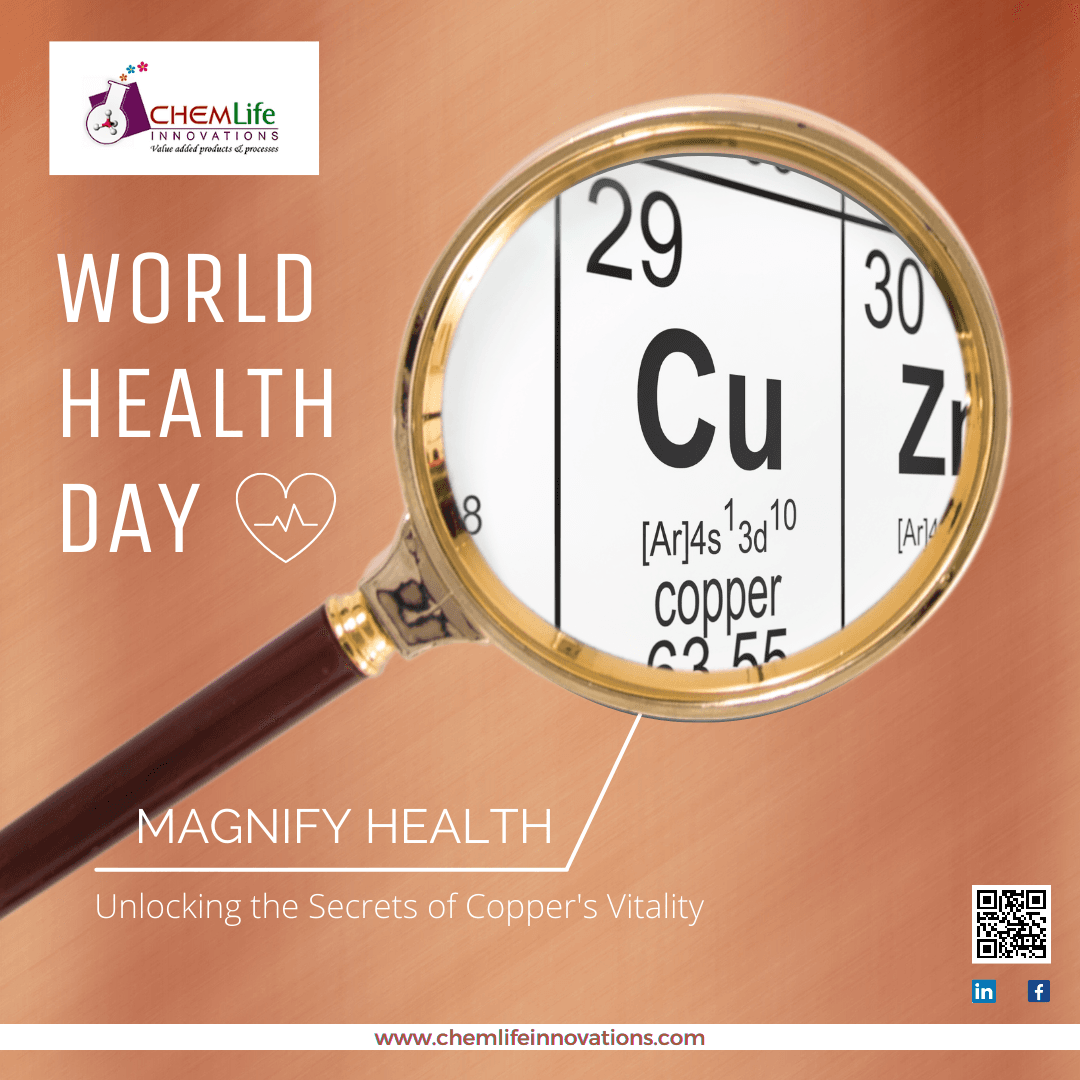
World Health Day 7th April 2024:
To address various types of health challenges, the theme selected for this year’s World Health Day is ‘My health, my right’. The theme was chosen to champion the right of everyone, everywhere to have access to quality health services, education, and information, as well as safe drinking water, clean air, good nutrition, quality housing, decent working and environmental conditions, and freedom from discrimination.
Questions about feed hygiene or our products?
Talk to our team