Introduction
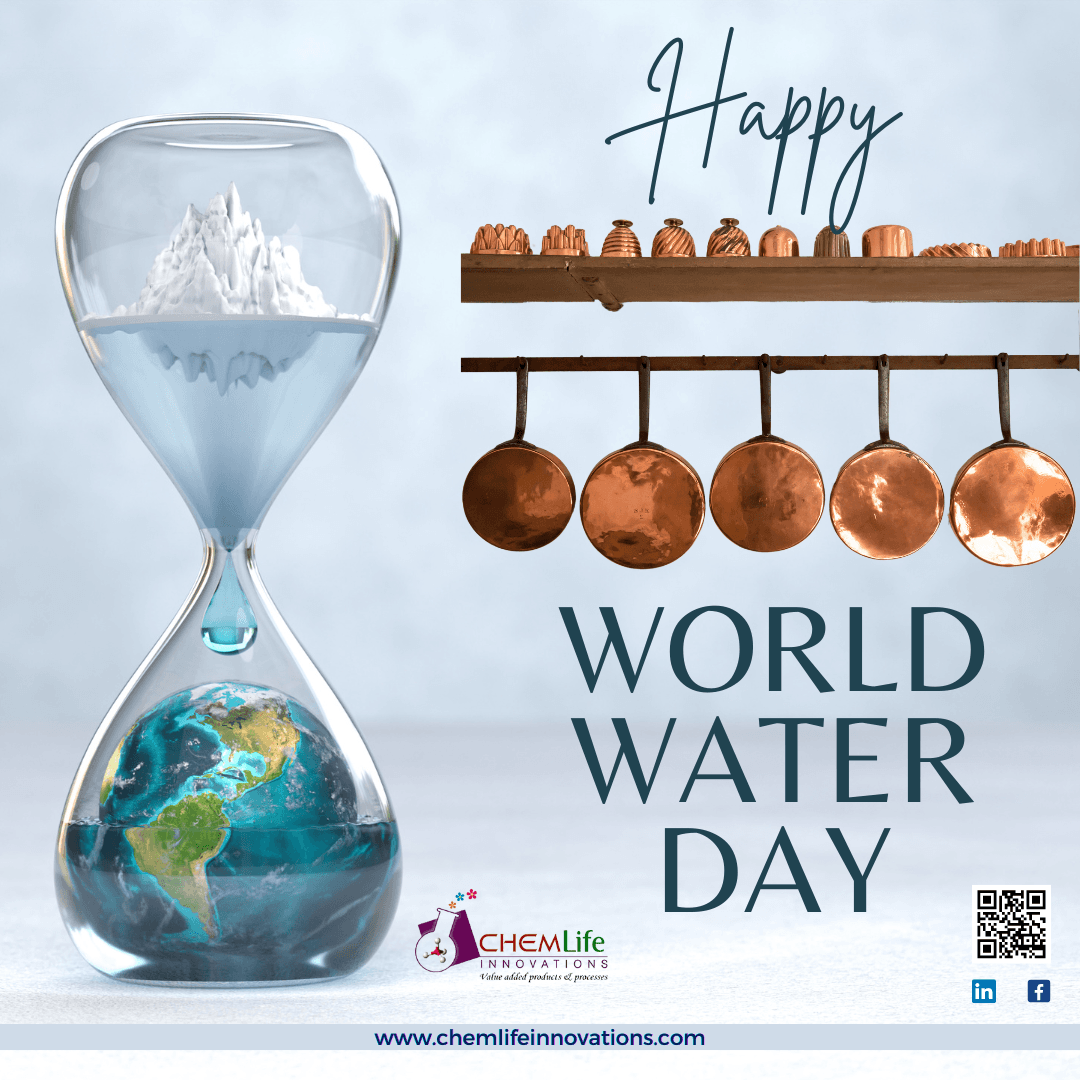
Access to safe drinking water remains a critical challenge for millions across the globe, particularly in developing nations where resources are scarce. Contaminated water sources harbor harmful bacteria, leading to widespread diseases and fatalities, especially among vulnerable populations like children. Traditional purification methods often prove costly and impractical for rural communities. However, a traditional Indian practice of using copper vessels – has emerged as a simple yet effective solution to combat microbial contamination in drinking water.
Crisis
In many developing countries, the lack of access to safe drinking water perpetuates a cycle of illness and poverty. Diarrheal diseases, primarily caused by waterborne pathogens such as E. coli, Vibrio cholerae and Shigella flexneri, wreak havoc on public health systems, particularly in regions with inadequate sanitation infrastructure. The consequences are dire, with thousands of lives lost annually to preventable waterborne illnesses.
The Promise of Copper
Drawing inspiration from ancient Ayurvedic texts, researchers embarked on a mission to explore the efficacy of copper vessels in purifying drinking water. Their findings were nothing short of groundbreaking. When water contaminated with a cocktail of diarrheal bacteria was stored in copper pots, not a single bacterium could be recovered after 16 hours, even upon enrichment culture. Moreover, the leached copper content in the treated water fell well within safe limits prescribed by the World Health Organization, allaying concerns about toxicity. This discovery heralds a new dawn in the quest for accessible, affordable water purification methods.

Embracing Sustainable Solutions
One of the most compelling aspects of using copper pots for water purification is their sustainability. Unlike conventional purification methods that rely on costly infrastructure and resources, copper vessels offer a simple, passive solution that is both effective and environmentally friendly. With no recurring costs or dependence on external factors such as electricity or fuel, copper pots are well-suited for rural communities and marginalized populations where access to clean water is often limited.
Way forward
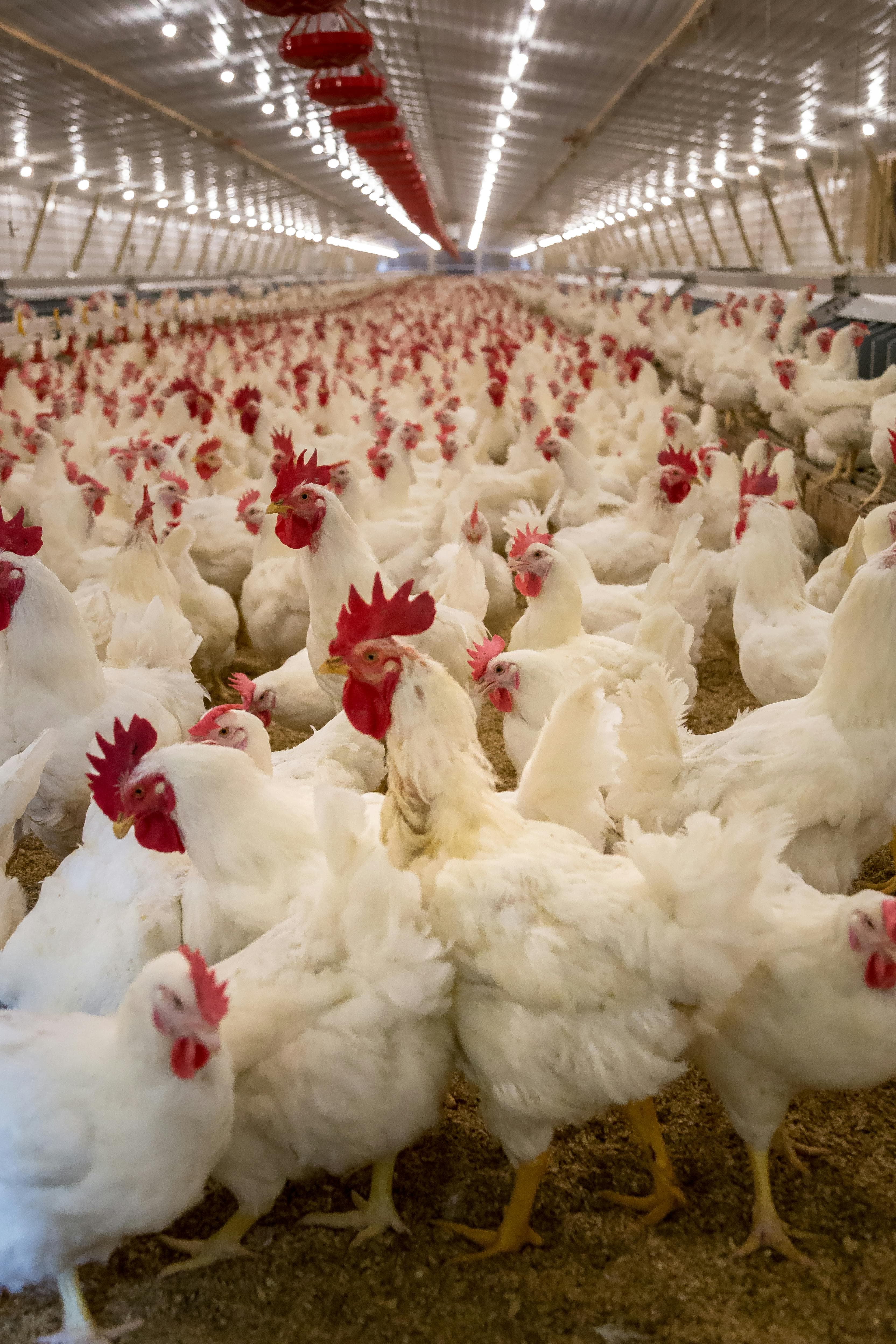
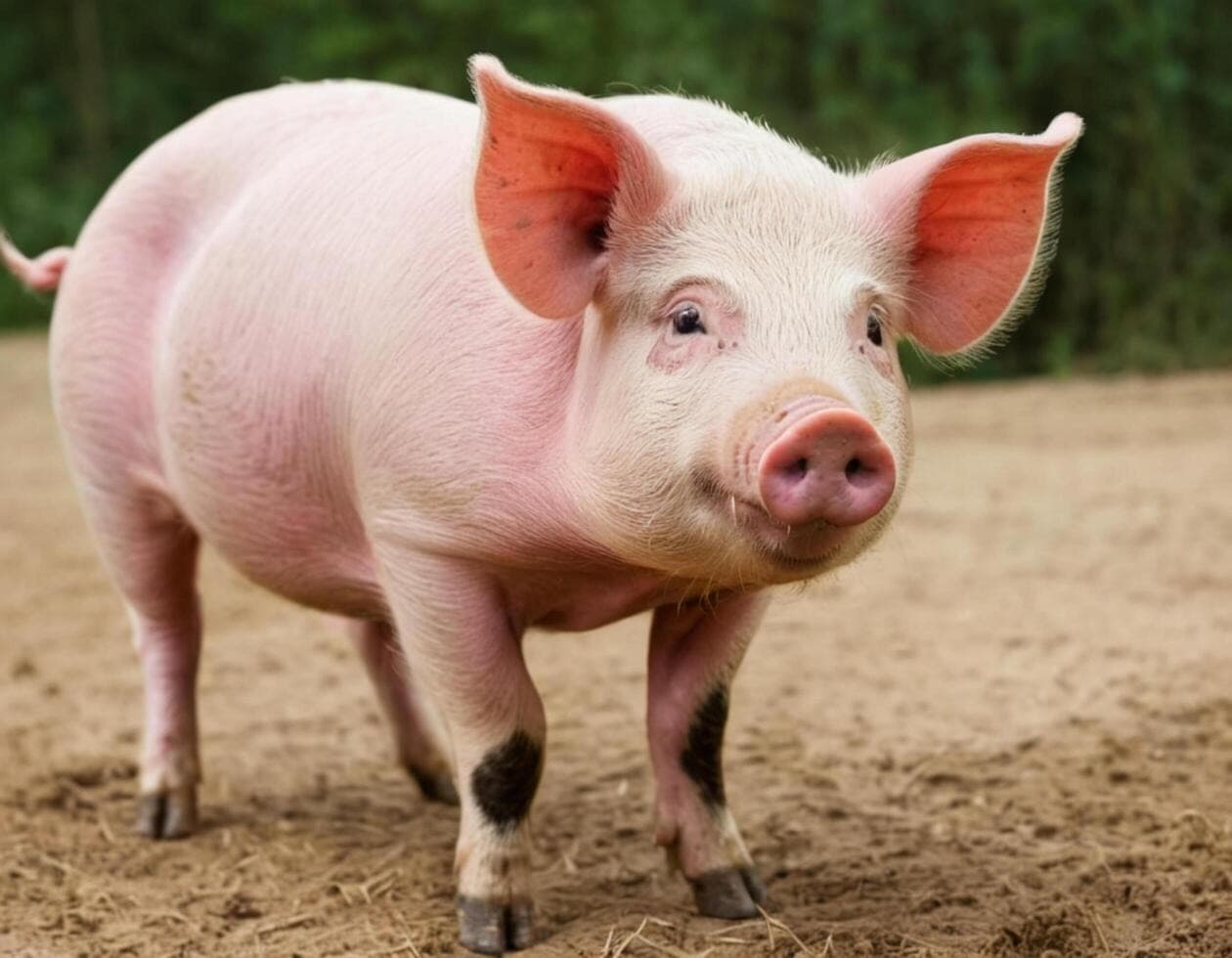
In the battle against waterborne diseases, ancient wisdom meets modern science in the form of copper vessels. By harnessing the power of copper, we can empower communities with a sustainable, cost-effective means of safeguarding their health and well-being. A similar approach can be thought of with reference to the quality of drinking water for livestock & farm animals. Expanding on this notion, we aim to employ copper’s efficacy in addressing pathogens across animal feed and perishable products.
Questions about feed hygiene or our products?
Talk to our team