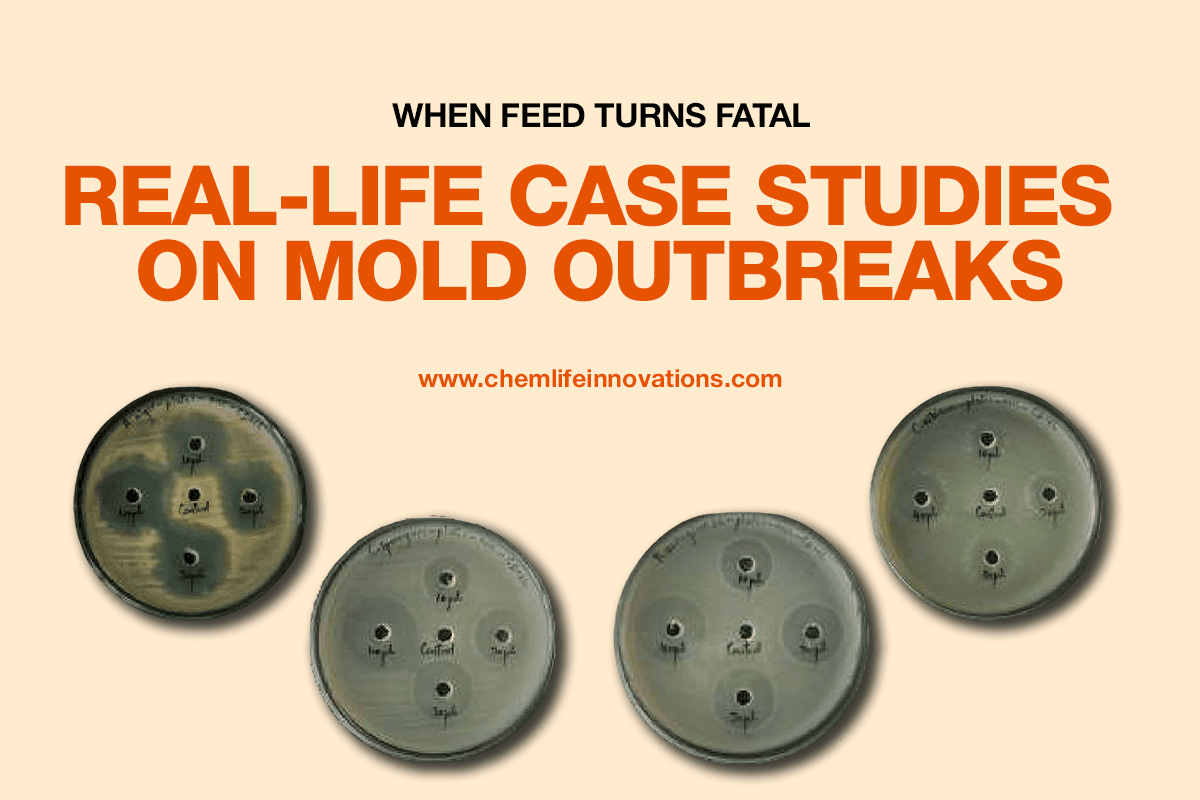
Farming livestock requires a delicate balance. To guarantee healthy, productive animals, farmers must control environmental factors, expenses, nutrition, and health. But occasionally, mold is a silent threat that emerges despite all the safeguards taken.
Animal feed mould contamination is more than just a hygienic problem. Serious health issues, financial losses, and even animal death may result from it. This blog examines actual case studies that illustrate the consequences of ignoring mould and how farmers might prevent the same outcome.
Case Study 1: Poultry Farm in Southern India (The Mysterious Drop in Egg Production)
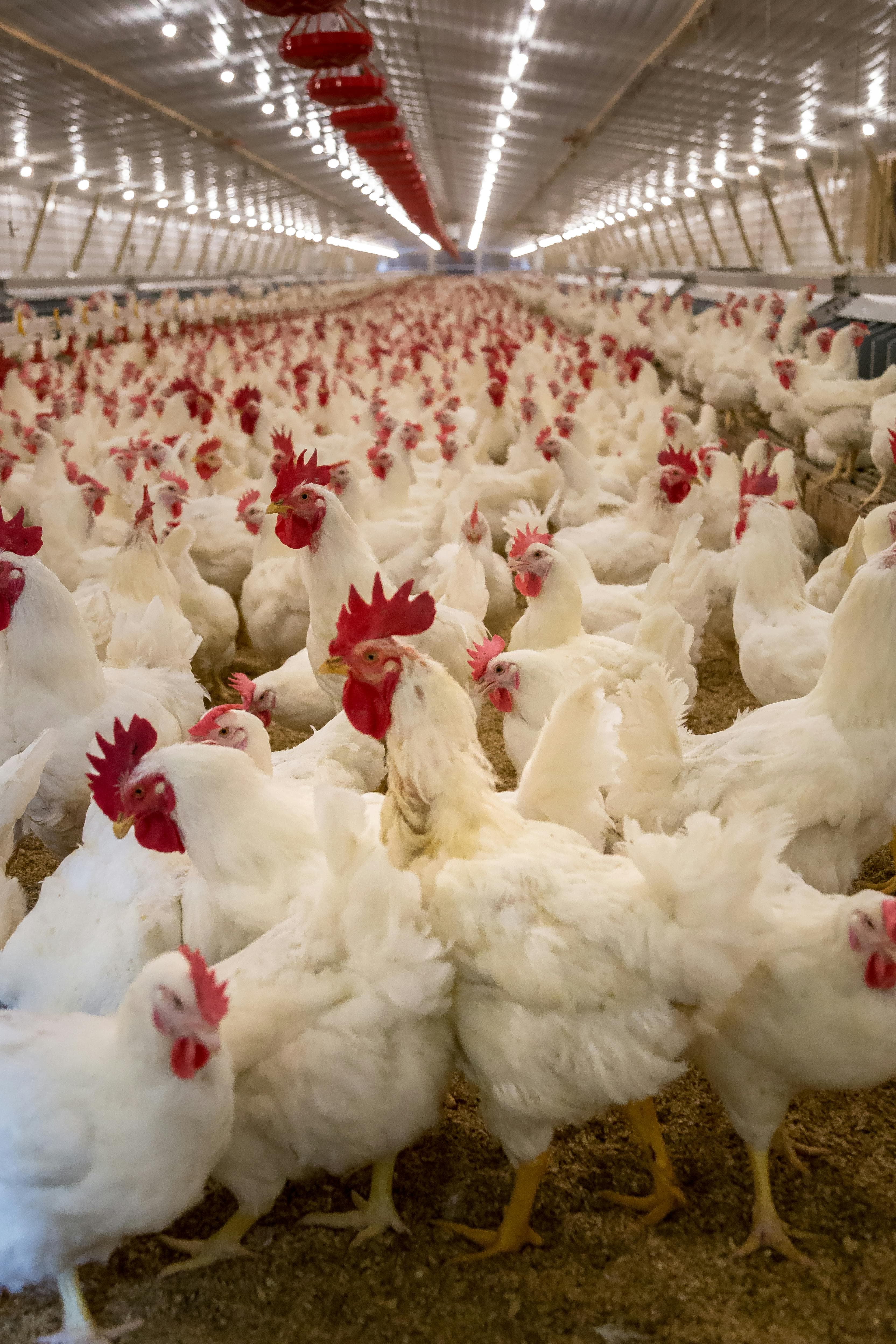
A medium-sized Tamil Nadu chicken farm reported a sharp decline in egg output throughout its 10,000-layer operation in 2022. The birds displayed pale combs, decreased feed intake, and symptoms of lethargy. The farmer initially thought that the summer months were causing heat discomfort.
But upon closer examination, the feed showed musty odour and discoloured areas, which are typical indications of mould growth. Aspergillus and Fusarium species, which are both known to produce mycotoxins, especially aflatoxins, were confirmed to be present by lab examination.
During the rainy season, the tainted feed had been kept in a humid environment with insufficient ventilation. It infected more than 30% of the flock. The farm had already seen a 25% production reduction over six weeks by the time the problem was identified.
Lesson Learned:
Poor feed storage during high humidity seasons can quickly lead to mold outbreaks. Preventive measures, like proper ventilation and regular inspection, are key.
Case Study 2: Dairy Farm in Punjab (A Case of Rising Vet Bills)
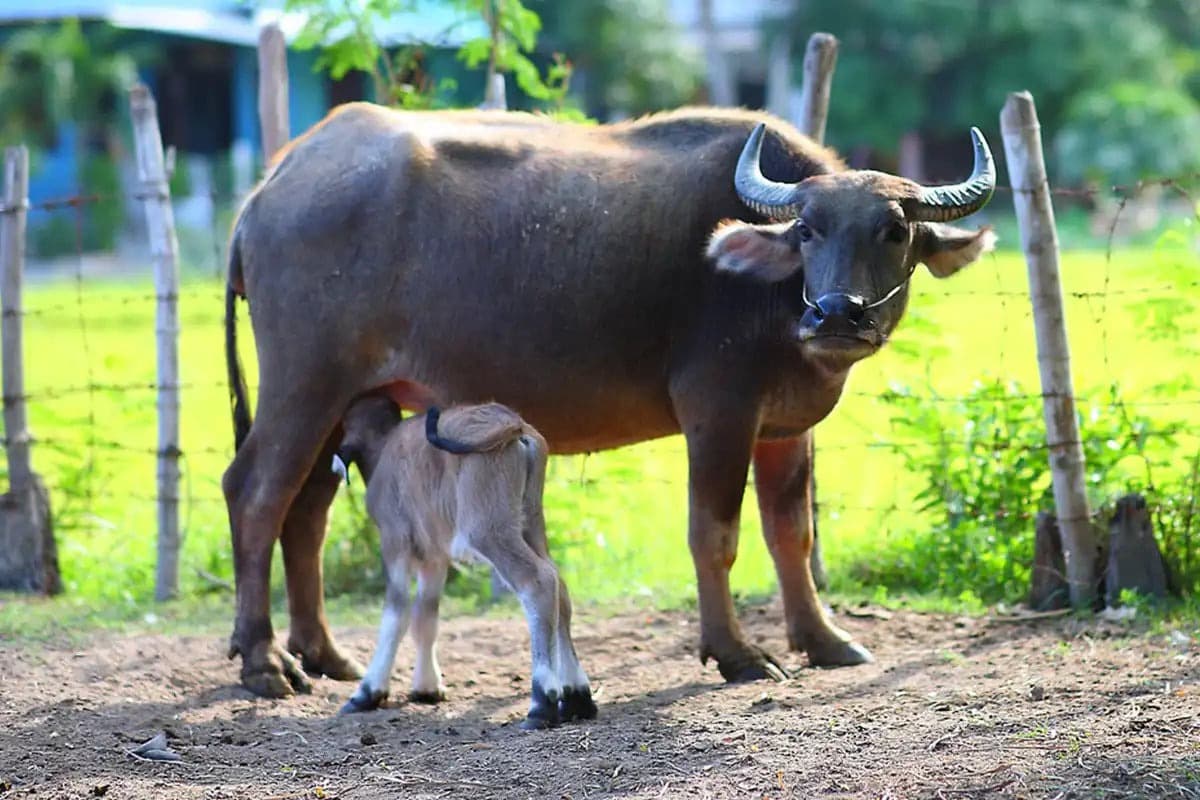
A large dairy farm with more than 100 milking cows observed a concerning trend: a rise in mastitis infections, low milk production, and unplanned miscarriages. Animal replacement rates were rising along with monthly veterinary bills.
The farm combined concentrate and silage using a Total Mixed Ration (TMR) technique. After noticing mold on the silage bales, one veterinarian recommended analysing the feed. Zearalenone and fumonisins, two mycotoxins frequently linked to mouldy silage, were found in high concentrations in the test results.
It is well recognised that these poisons, particularly zearalenone, can harm dairy cows’ reproductive systems. For months, the farm had been feeding tainted silage without realising it.
Result: New procedures were put in place to test each lot of silage before feeding, and the entire batch was thrown out. Restoring the herd to normal output and health required more than four months.
Lesson Learnt: Silage mould doesn’t usually appear right away. Regular mycotoxin testing is necessary, particularly for high-risk feeds like silage.
Case Study 3: Pig Farm in Eastern Europe, The Silent Killer
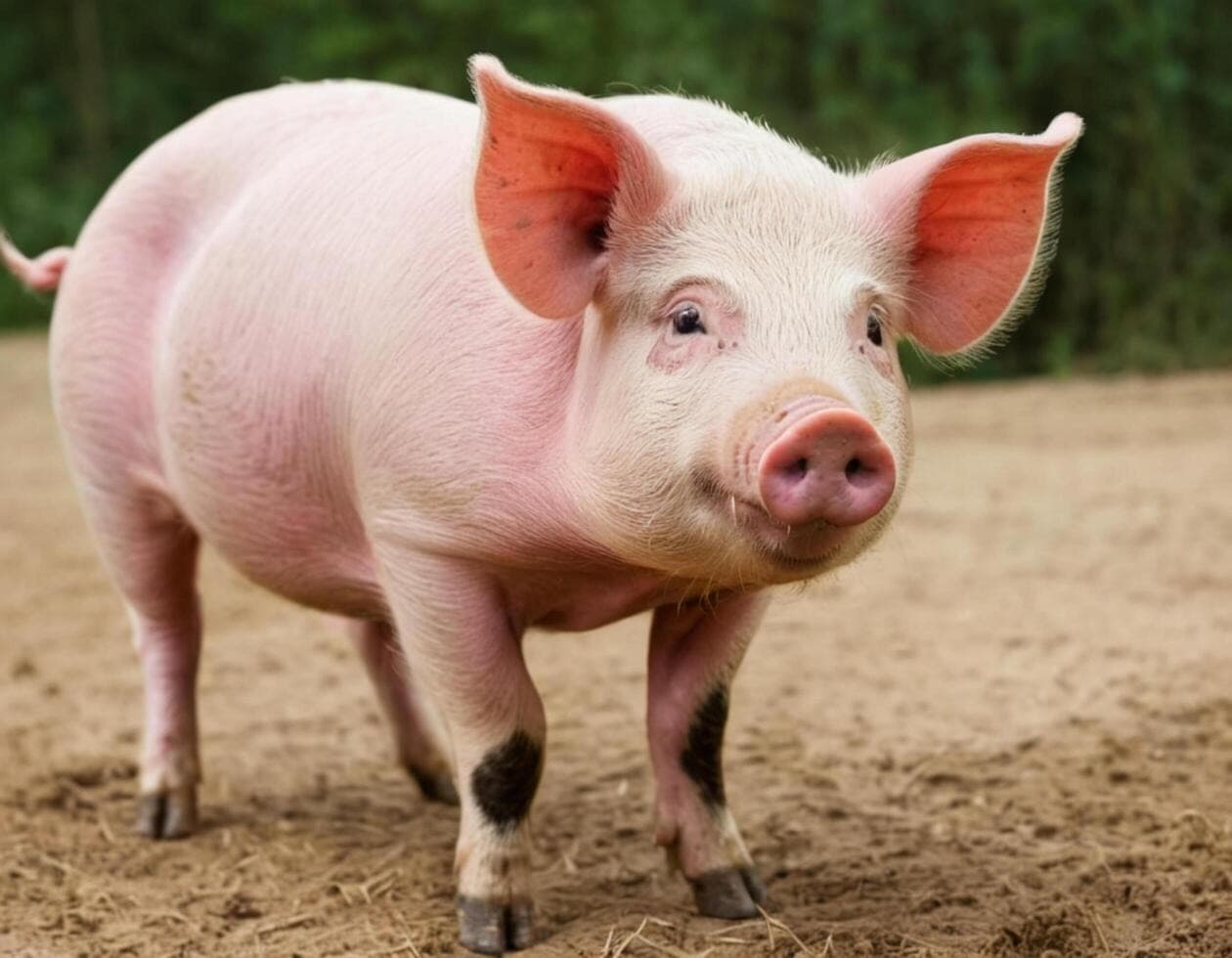
Piglets in a Polish pig breeding facility with more than 500 animals started to disappear soon after they were weaned. The typical 2% death rate increased to above 10%. Although there was no infectious disease found, post-mortems revealed intestinal inflammation and liver damage.
The feed, notably imported and inadequately stored maize, was ultimately identified as the cause of the problem. It was discovered to have hazardous amounts of aflatoxin B1. Piglets’ liver function had been harmed by the toxin, leaving them more vulnerable to infections and digestive issues.
In the end, the farm spent thousands on diagnostics, treatments, and new feed after culling more than 100 piglets.
Knowledge Acquired:
Contamination with aflatoxin is frequently undetectable. If procurement and storage are not closely supervised, even feed with a high-end appearance could be dangerous.
Case Study 4: Goat Farm in Kenya (The Budget Mistake)
In an attempt to save money, a tiny goat farm in Kenya purchased inexpensive leftover maize grain from a nearby mill. Although the meal appeared somewhat dusty, there were no overt indications that it had gone bad.
Several goats became ill within two weeks, exhibiting weakness, poor coat condition, and diarrhoea. Mould poisoning was suspected by a local veterinarian. When feed samples were sent to a lab, significant quantities of ochratoxins were found.
In the outbreak, the farmer lost twelve goats. More significantly, he discovered that purchasing less expensive feed ultimately resulted in higher expenses for veterinary care and animal losses.
Lesson Learnt: If quality control is lacking, low-cost feed poses a risk. Always purchase from reputable vendors, and carefully check feed, paying particular attention to moist or unused grains.
Important Takeaways:
How to Avoid Mould in Feed: Conduct Regular Inspections Check for discoloured feed, strange odours, or clumping.
Smart Storage: Store feed in areas that are cool, dry, and well-ventilated. Make use of cover bags and pallets.
Test Often: Compared to the expense of an outbreak, mycotoxin testing is cheap.
Purchase from Reliable Suppliers: Verify that raw materials have certifications and quality tests.
Employ Mould Inhibitors: Particularly in areas with high humidity, feed additives might lower the chance of mould growth.
Conclusion
Mold in feed poses a serious risk to food safety, farmer livelihoods, and animal health in addition to being a “bad smell” issue. These true tales serve as a reminder that prevention is crucial and not a choice.
To make sure that the food that an animal consumes, whether it be meat, eggs, or milk, is as safe as what it consumes, farmers, veterinarians, and nutritionists must collaborate.
Because a faulty batch of grain is much less expensive than when feed turns deadly.
Questions about feed hygiene or our products?
Talk to our team