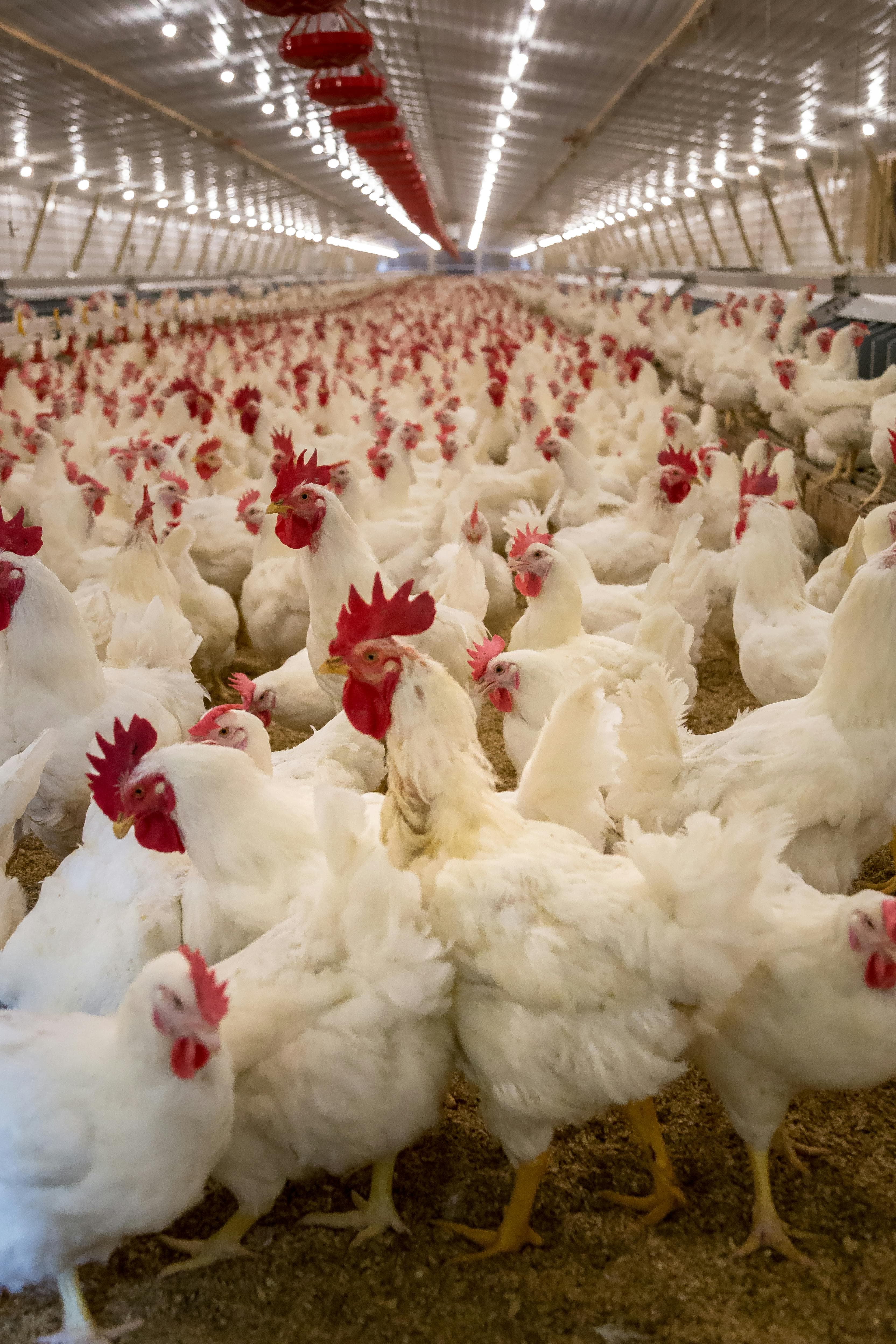
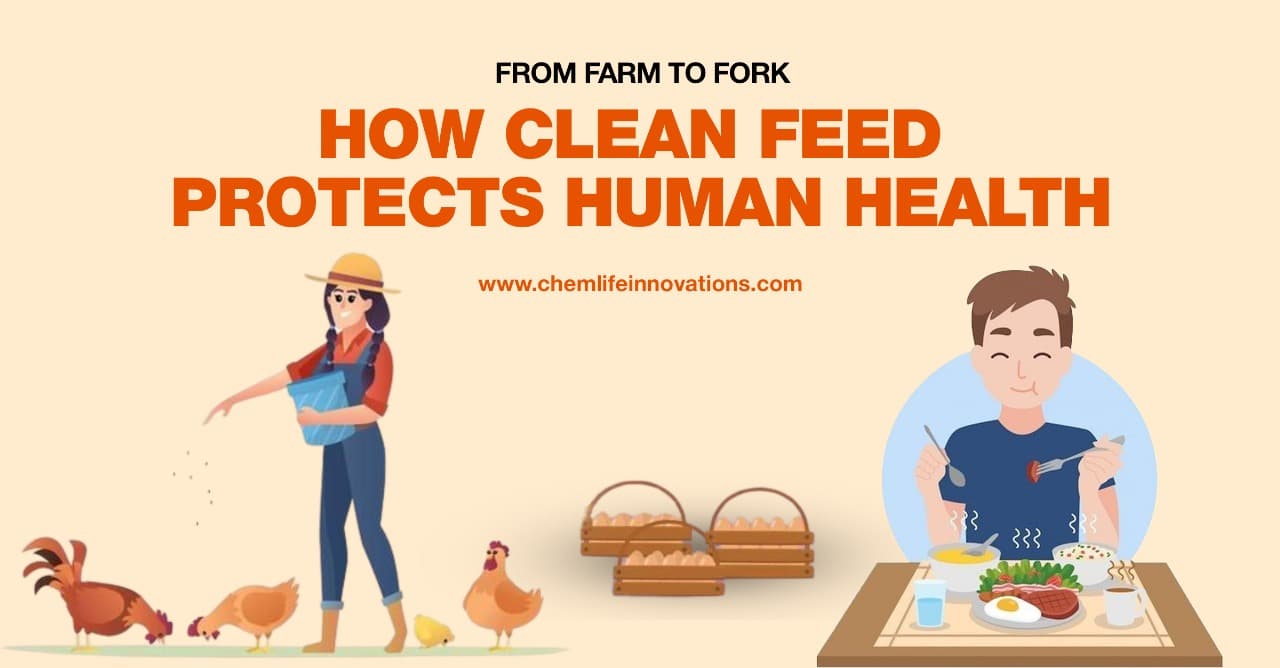
Most of us associate safe food with fresh fruit, spotless kitchens, or meticulous cooking. On the farm, however, the tale of food safety starts much earlier. The quality of feed provided to animals, particularly poultry, is one of the most crucial but sometimes disregarded elements in the lengthy process from farm to fork.
By lowering the possibility of dangerous chemicals, pathogens, and contaminants getting onto our plates, clean feed not only maintains the health of birds but also safeguards human health.
Let’s find out the importance of poultry feed hygiene in this blog, its relationship to food safety, and its implications for the meat and eggs we eat on a daily basis.
The Farm-to-Fork Connection
Every step of food production including farming, processing, transportation, retail, and cooking affects the safety of the food we eat, as the “farm-to-fork” approach emphasises. One of the first things in chicken raising is feed. The quality of the meat and eggs that hens produce, their growth, and their immunity are all directly impacted by what they eat.
Toxins, fungus, bacteria, and hazardous chemicals can enter the bird’s body through its tissues or eggs if the meal is tainted. These unspoken dangers can still exist when the chicken or eggs arrive in our kitchen. Clean feed is therefore a public health issue as well as a farm issue.

What Can Go Wrong With Poultry Feed?
Typically, grains, proteins, vitamins, and minerals make up poultry feed. From manufacture to storage, feed can get contaminated at any point if it is handled incorrectly. Among the most frequent dangers are:
- Mold & Mycotoxin
Mycotoxins, which are produced by specific fungi, can develop on grains and raw materials that are kept in damp or poorly ventilated environments. They have no taste, are invisible, and cannot be destroyed by standard cooking temperatures. Long-term exposure to mycotoxins in feed can cause toxins to build up in meat and eggs, impair immune systems, and decrease egg production. - Contamination by Bacteria
Two well-known pathogens that can infiltrate poultry feed due to incorrect handling or storage are salmonella and E. coli. These bacteria can enter the intestines of birds consuming tainted feed and may subsequently infect humans through undercooked meat or eggs. - Chemical Debris
Sometimes antibiotics or pesticides inadvertently get into feed. These residues have the potential to accumulate in poultry products over time, endangering consumer health and fostering antibiotic resistance. - Inadequate Storage Conditions
Feed can become spoiled and dangerous for both humans and animals due to damp storage containers, dirty equipment, or exposure to rodents and insects.

Why Clean Feed Matters for Human Health
Neglecting feed hygiene has effects that extend beyond farm animals. Through the food they consume, humans are immediately exposed to the risks. Among the major health effects are:
- Food Poisoning: Contaminated chicken or eggs are among the leading causes of foodborne illness globally.
- Transfer of Toxins: Mycotoxins can build up in meat and eggs, leading to long-term health issues such as weakened immunity, liver damage, and occasionally cancer.
- Antibiotic Resistance: When antibiotics are misused in feed, residues can lead to bacteria that are resistant to them, making it more difficult to treat human infections.
- Nutritional Loss: Weaker and less prolific, birds given a polluted or subpar diet may produce eggs and meat with decreased nutritional value.
Clean feed, therefore, is not only about healthy animals—it is about ensuring safe, nutritious food for people.

Best Practices for Clean and Safe Poultry Feed
By concentrating on feed hygiene at every level, farmers and feed producers can lower risks and safeguard the health of consumers. Among the crucial procedures are:
- High-quality raw materials
The likelihood of contamination is decreased from the outset by using certified, premium grains and protein sources. - Appropriate Storage
Feed should be kept out of direct sunlight, dampness, and pests in areas that are cold, dry, and well-ventilated. Frequent cleaning of storage bins stops bacteria and fungus from growing.
- Highly bioavailable, less toxic Mold inhibitors & Mycotoxin Binders and Testing: Feed should undergo routine mold & mycotoxin testing. Risks can be decreased by using safe additives like mold inhibitors & toxin binders.
- Highly bioavailable, less toxic Mold inhibitors & Mycotoxin Binders and Testing: Feed should undergo routine mold & mycotoxin testing. Risks can be decreased by using safe additives like mold inhibitors & toxin binders.
- Clean Handling
Basic hygiene practices for feed handlers include sanitised equipment, clean hands, and pest control in storage facilities. - Controlled Use of Additives and Antibiotics
Additives should be used only when needed and in line with regulations. Unnecessary antibiotics in feed should be avoided to protect both animal and human health.

What This Means for Consumers
In the farm-to-fork cycle, consumers play a part, but farmers and feed producers bear the most of the blame. People can choose foods more wisely if they are informed:
- Select Reliable Brands: It is more likely that feed and farm hygiene standards will be upheld when eggs and poultry are purchased from reliable suppliers.
- Cook Thoroughly: While most germs, including Salmonella, are killed by proper cooking, toxins are not eliminated. This is the reason farm-level prevention is so crucial.
- Encourage Food Safety Standards: Laws and rules requiring stringent feed quality inspections contribute to everyone’s safety. Supporting such norms as consumers improves public health.
Conclusion
Every step counts, from farm to fork. Protecting the health of the people and communities that consume the finished goods is just as important as producing healthy chicken. Farms are investing in healthier people when they use safe, clean feed methods.
Remember, food safety doesn’t begin in the kitchen when you eat chicken or eggs; it starts with the feed given to the bird.
Questions about feed hygiene or our products?
Talk to our team